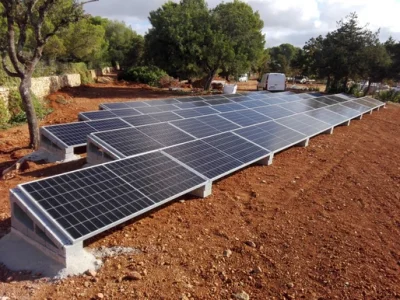
Solar energy continues to expand, and more homeowners and businesses are choosing to install photovoltaic systems to reduce their electricity costs and increase energy independence. However, one of the most common barriers remains the same: the high upfront investment required to purchase and install solar panels.
This is where solar panel leasing becomes an attractive alternative. It allows you to start producing your own energy and lowering your electricity bill without paying the full installation cost upfront.
What is solar panel leasing?
Solar panel leasing (photovoltaic leasing) is a financing model based on a financial lease agreement, designed to help individuals and companies install solar panels without an initial investment.
Instead of purchasing the system outright, you pay a fixed monthly fee over an agreed term, usually between 15 and 25 years. During this period, the leasing company remains the owner of the system, but you benefit from using the solar energy generated by the panels.
In most leasing contracts, there is also an option to purchase the installation once the agreement ends, usually by paying a residual value.
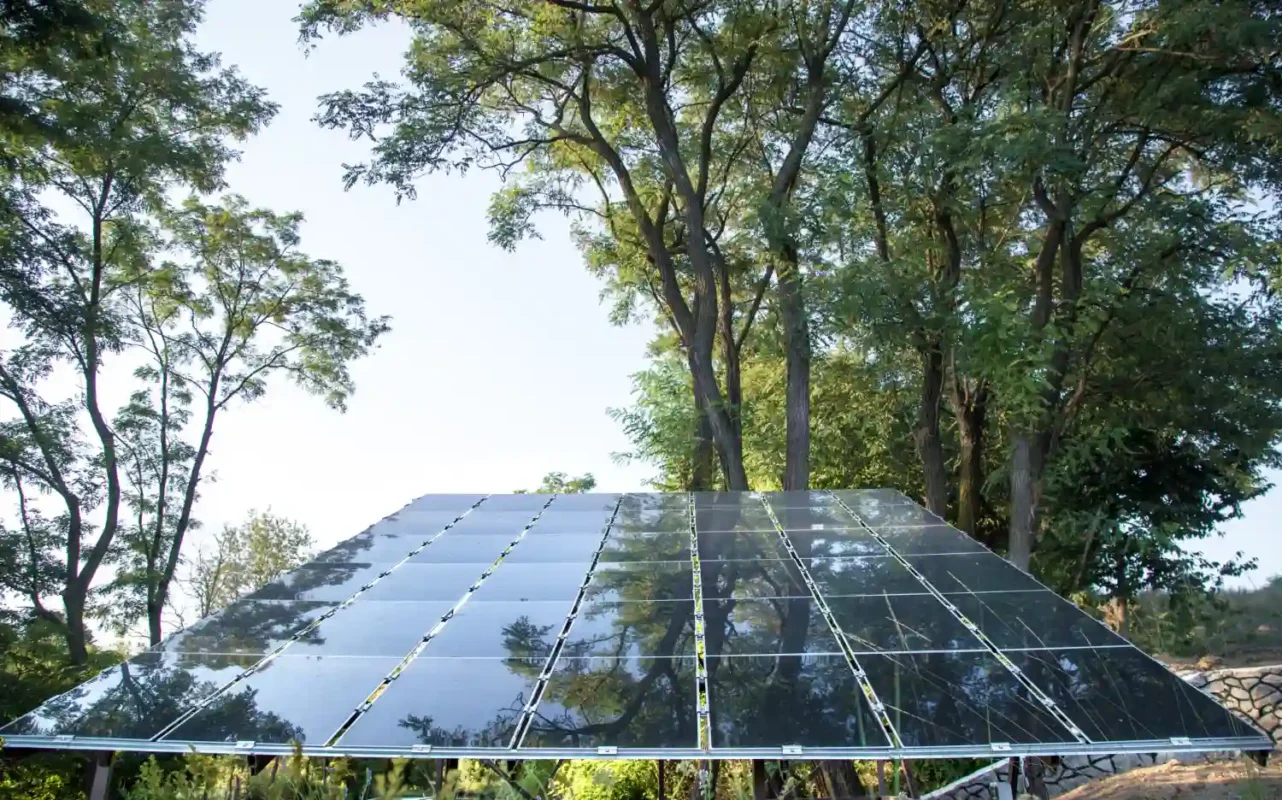
How does solar panel leasing work?
A solar installation often involves a significant initial expense. Even though the investment typically pays for itself over time through electricity savings, not everyone prefers to make such a large upfront payment.
With photovoltaic leasing, the process usually follows this structure:
The leasing provider designs a system adapted to your home or business needs. The system is installed and connected so you can consume the energy produced. From that moment, you pay a fixed monthly fee, while your electricity bill decreases because you are using self-produced energy.
At the end of the contract, you may have the option to purchase the installation for a residual amount, depending on the conditions of the agreement.
One of the main reasons leasing is popular is that many systems are designed so that the monthly payment is lower than the savings generated, meaning you can experience financial relief from the start instead of waiting years to recover the investment.
Key features of photovoltaic leasing
Photovoltaic leasing is defined by several core elements that make it different from other financing or rental models.
The first is that there is no initial investment, which allows clients to access solar energy without a large upfront payment. The second is the fixed monthly fee, which provides predictable costs and long-term stability. Another important feature is ownership: during the leasing period, the system remains property of the provider, but the client has the right to use it and benefit from its energy production.
Finally, most leasing agreements include an option to buy the system at the end of the contract, which is one of the key differences compared to renting.
Advantages of solar panel leasing
Solar leasing provides a practical solution for many clients because it allows immediate access to clean, renewable energy while minimizing initial financial effort.
One of the most relevant advantages is that you can start benefiting from solar savings from the first day, without needing to pay the full cost of the system upfront. The fixed monthly fee also makes it easier to plan expenses, especially for businesses that need predictable financial commitments.
Another important advantage is that leasing contracts often include additional services such as maintenance, repairs, monitoring, or insurance. This reduces operational concerns and ensures long-term system reliability.
In many cases, solar self-consumption can reduce electricity consumption significantly, and modern photovoltaic systems can last more than 20 years when properly maintained, making this a long-term solution for energy cost reduction.
Disadvantages of solar panel leasing
Even though leasing can be highly convenient, it is important to consider its limitations before choosing this option.
The most important drawback is that the total cost over the full contract term is usually higher than the cost of purchasing the installation directly. This is because financing models include service, risk coverage, and long-term structured payments.
Another point to consider is that the client does not own the system immediately. During the contract period, the system belongs to the leasing company, even though the client benefits from its energy production.
Finally, leasing contracts can include specific conditions such as minimum contract length, penalties for early termination, or limitations on modifications to the installation. For that reason, reviewing the contract carefully is essential before signing.
Leasing vs renting: What’s the difference?
Although the terms “leasing” and “renting” are often used interchangeably in daily conversation, they refer to different contractual models.
The key difference lies in the final objective of each agreement: leasing is typically designed with the intention of eventual ownership, while renting is closer to a long-term rental without a clear purchase goal.
To clarify it, here is a structured comparison:
| Aspect | Solar Leasing | Solar Renting |
|---|---|---|
| Type of agreement | Financial lease (financing) | Long-term rental |
| Ownership during the contract | Provider owns the system | Provider owns the system |
| Option to purchase | Yes, usually included | Not typically the main goal |
| Main purpose | Access now, purchase later | Use the system as a service |
| Monthly payment | Fixed monthly fee | Fixed monthly fee (often includes more services) |
| Best suited for | Clients aiming for long-term ownership | Clients who prefer a “use only” model |
Is solar panel leasing worth it?
Solar leasing can be an excellent choice if your priority is to reduce your electricity bill without making a major upfront investment. It offers predictable monthly payments, quick access to solar energy, and in many cases includes support services that simplify the experience.
However, if your primary objective is to maximize profitability over the long term, purchasing the system directly can be more cost-effective. Direct ownership typically leads to greater savings over time because you avoid paying financing costs over many years.
The best solution depends on your budget, your financial strategy, and how quickly you want to benefit from solar savings without committing a large initial amount.