The volatility of energy prices resulting from dependence on gas and oil is one of the main concerns today.
One way to reduce reliance on fossil fuels and ensure financial stability is to opt for renewable energy solutions. These alternatives offer greater independence and help keep energy costs under control for households, businesses and even the industrial sector.
In this regard, new opportunities to generate passive income are opening up, such as installing solar panels or leasing land for solar farms. Especially in regions with high solar potential like the Balearic Islands or mainland Spain, it is becoming widely popular as an investment strategy.
Understanding the Revenue Potential
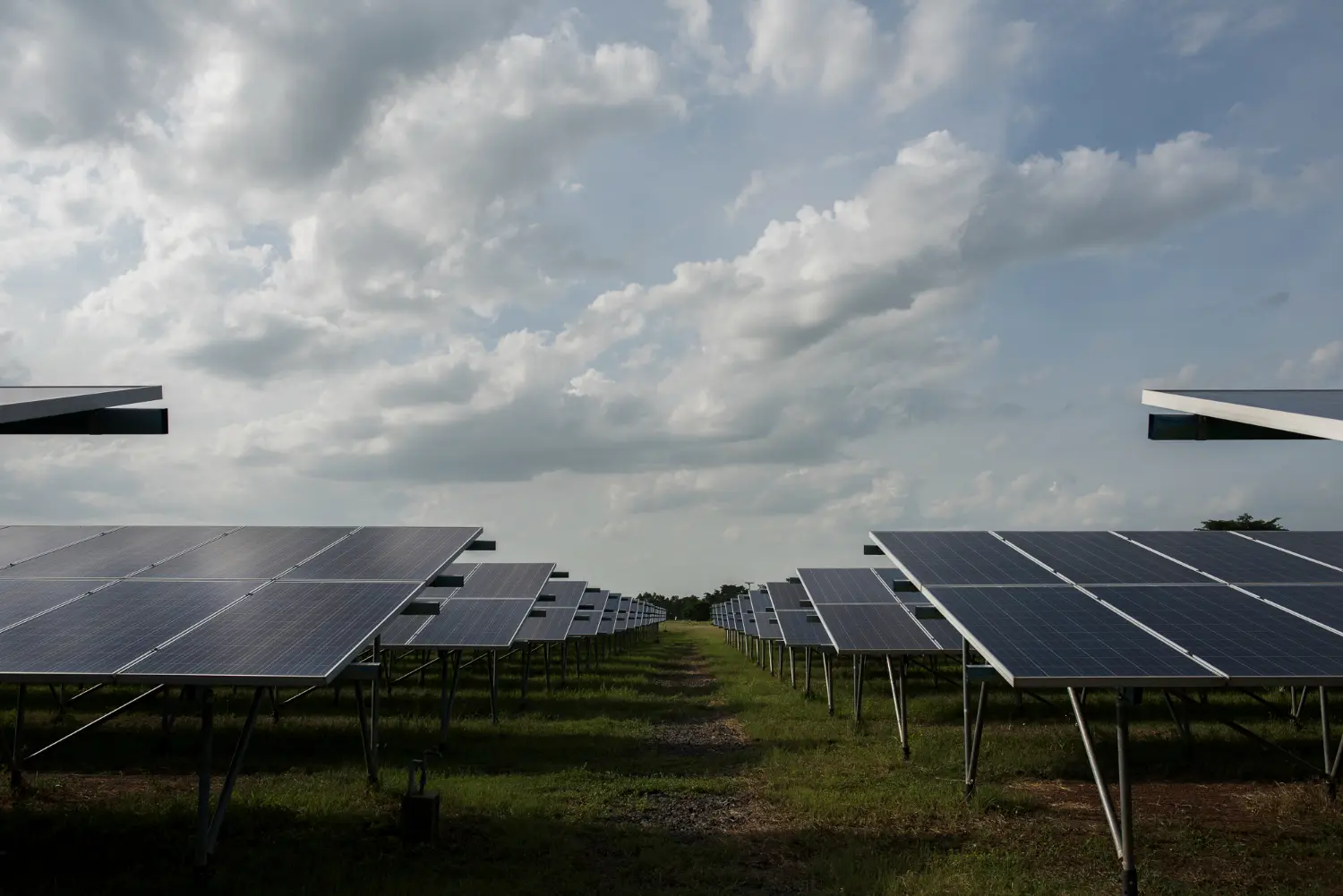
How big is the potential of monetizing land with solar farms? To illustrate this, consider the following simplified example: a one-hectare plot of land can typically accommodate around one megawatt peak (MWp) of installed photovoltaic capacity, depending on layout and technology.
If that installation is located in the Balearic Islands, it is expected to produce approximately 1,600 hours of full-load energy annually, so the total energy output would be 1,600 MWh/year.
Electricity prices fluctuate, but assuming a conservative market value of around 40 € per MWh, this could generate a realistic revenue figure of at least 64,000 € per year.
Usually landowners do not operate the solar plant themselves. Instead, they lease the land to developers or energy companies, who handle the investment, construction, and operation, making it a low-risk financial decision.
Investment: Do Landowners Need to Pay?
One of the biggest advantages of solar farm projects is that landowners do not need to make any upfront investment. Developers usually offer two main models: land lease agreements or participation models.
In the first model, the landowner receives a fixed annual rent, often indexed to inflation. This provides stable, predictable income over long-term contracts.
These models have become more common as competition among renewable developers increases across Europe.
At MASRED Engineering, we have developers willing to lease the land and also transfer up to 20% of the photovoltaic installation to the landowner, without any investment from the landowner.
Key Factors to Evaluate Before Leasing Your Land
Not all land is equally suitable for solar development. There are several factors that determine whether or not this type of installation is feasible on a site.
- Land Surface and Usable Area. While total plot size matters, the usable surface is even more important. Slopes, shading, and irregular terrain can reduce the effective area for panel installation.
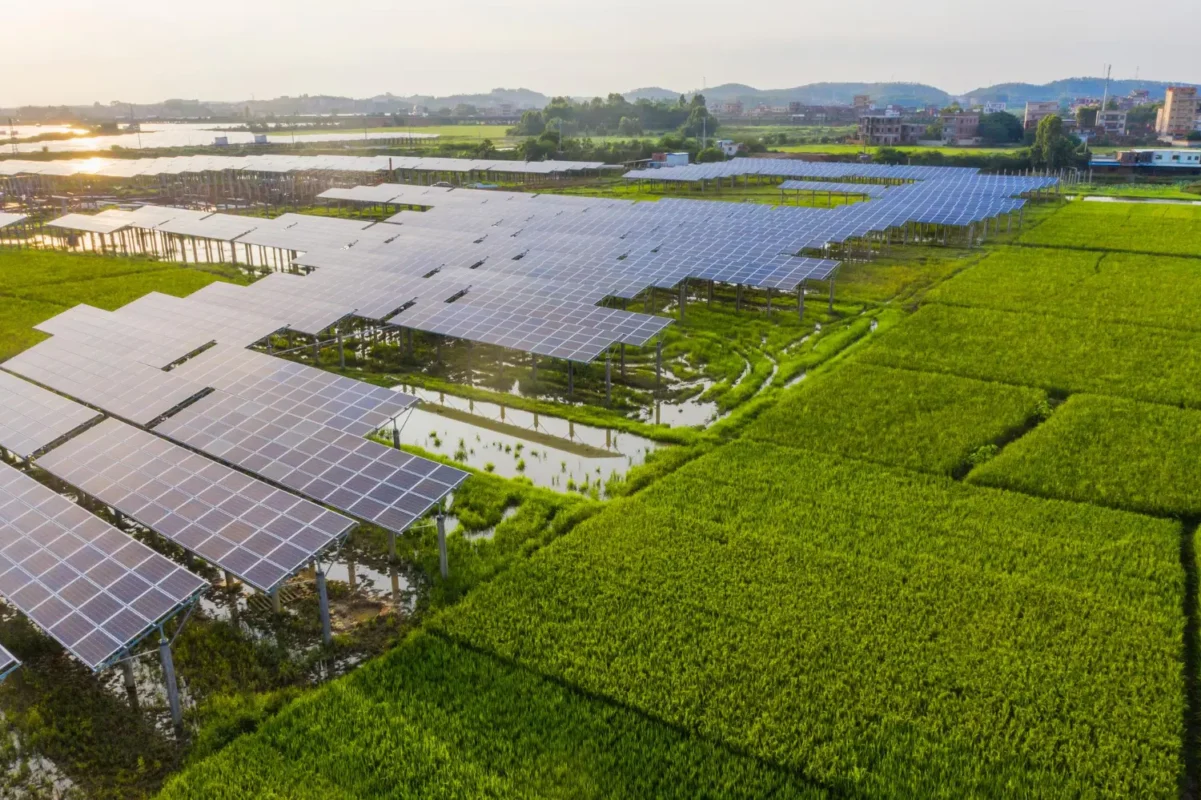
- Current Land Use. Agricultural, unused, or low-productivity land is typically more attractive for solar projects. However, currently dual agrivoltaic use, which consists of combining farming with solar panels, is becoming increasingly popular.
- Proximity to Grid Infrastructure. Distance to medium-voltage (MV) or high-voltage lines is critical. The closer the land is to existing grid infrastructure, the lower the connection costs. This is often one of the most decisive factors in project feasibility.
- Access and Logistics. Good road access is essential for transporting materials and maintaining the installation over time.
- Land Classification and Permits. Urban planning regulations and land classification must allow energy use. In regions like the Balearic Islands, compatibility with regional energy plans is required, along with environmental and municipal approvals.
- Environmental and Social Impact. Modern projects must comply with strict environmental standards.
Minimum Land Requirements
Usually, in plots starting with 0.5 hectares (5,000 m²) projects become feasible, but it is often more interesting to developers to work with bigger installations, from 1 to 5 hectares or even bigger for large-scale solar farms.
While large-scale projects are the most profitable, smaller plots can also be viable if they present interesting advantages, such as being close to grid connections.
New Trends in Solar Land Use
The solar industry has evolved significantly in recent years.
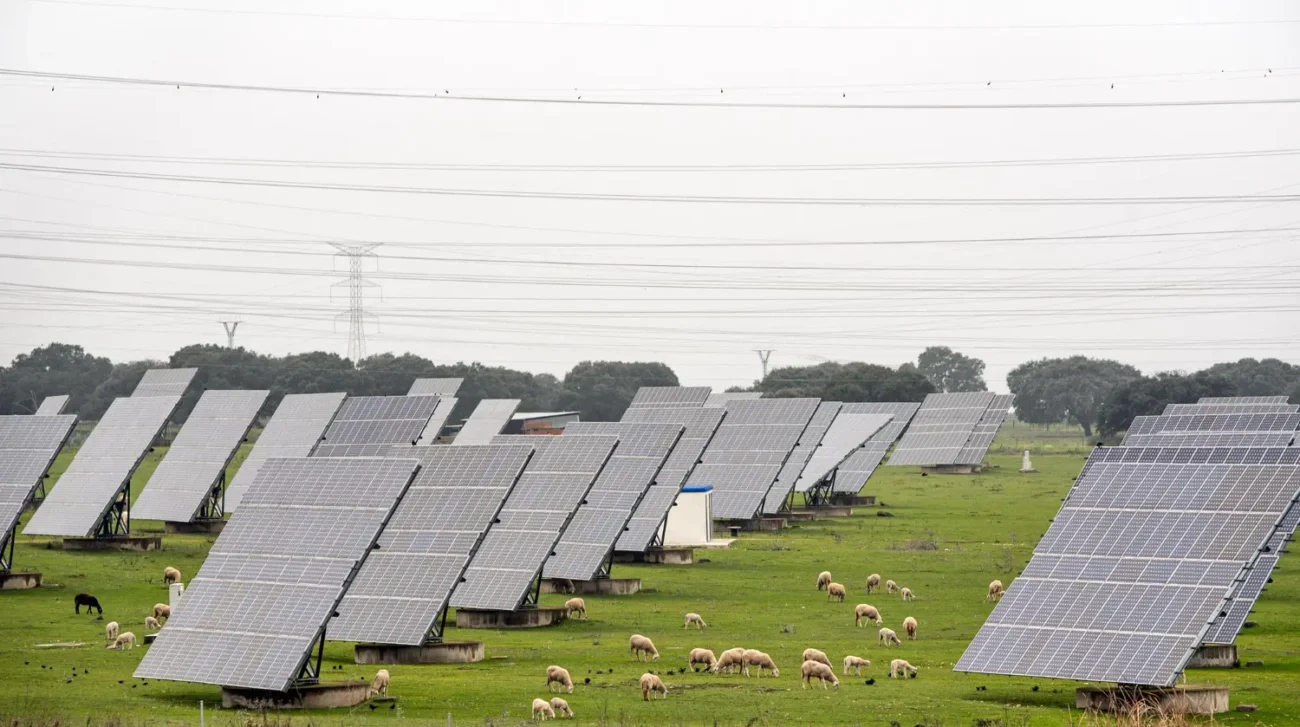
At the moment, agrivoltaics is one of the solutions that is attracting increasing interest, as it allows the same land to be used for two purposes: maintaining agricultural use whilst also generating energy. This way, crops, livestock, or pollinator habitats can coexist with energy production.
Batteries are becoming more important in the solar sector because, despite the high number of hours of sunlight in the region, making the most of the energy generated and achieving greater energy independence is crucial.
Advantages of Leasing Land for Solar
Given the current state of the energy market, leasing land for solar has many advantages, from stable long-term income to no upfront investment required. It is a low-risk investment and it can lead to an increase in land value.
Potential Drawbacks to Consider
Nevertheless, there are also potential drawbacks to consider, such as the length of contracts, which limits alternative land uses or the strict regulations that can make approval processes slow.
Is It Worth It?
For many landowners, especially those with underutilized land, solar farms are an attractive passive income opportunity.
If you own land in a high solar irradiation area, now is an excellent time to explore your options. Contact us and we will help you understand its viability and potential.