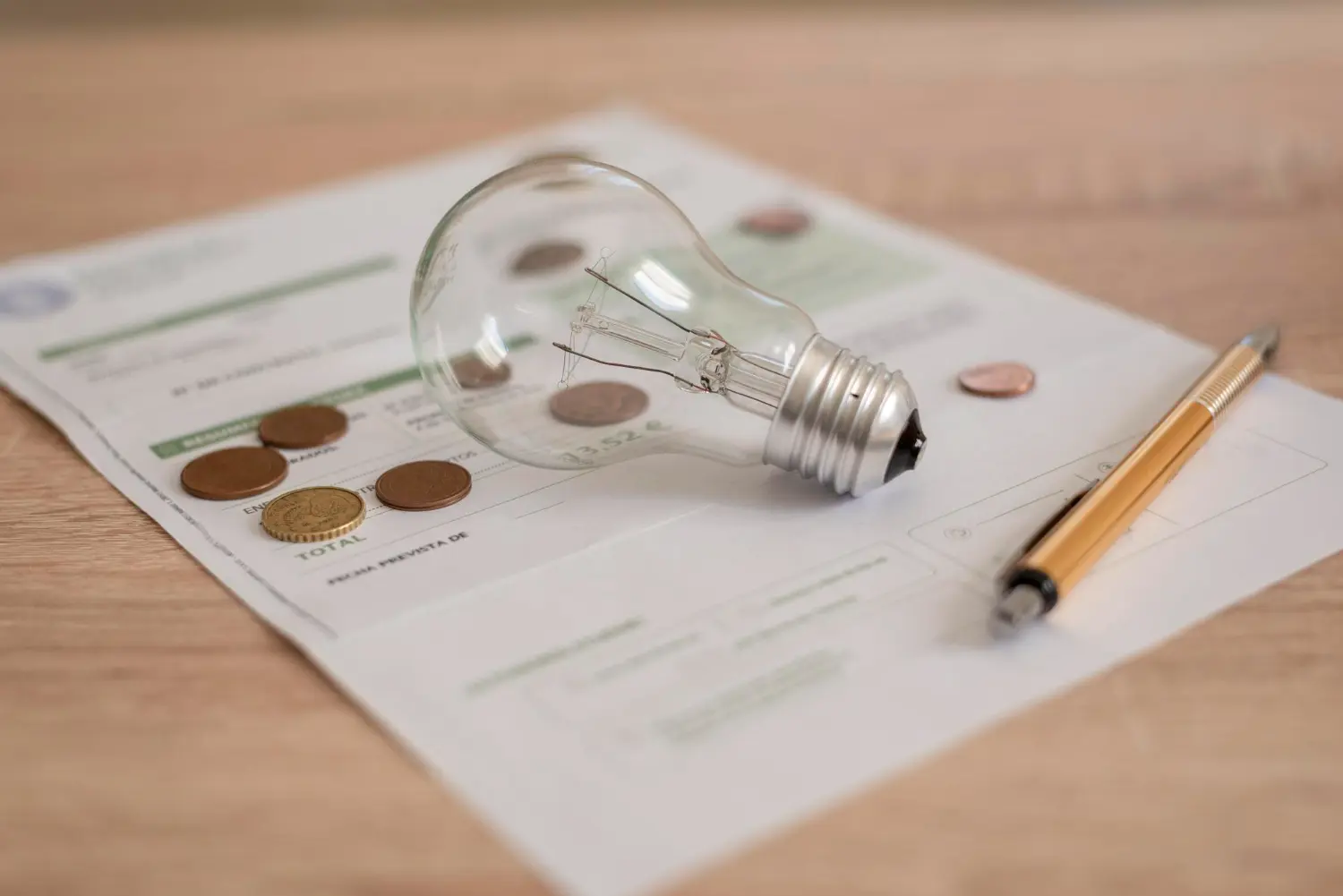
In recent years, electricity prices have become one of the most pressing economic concerns for households and businesses across Spain. What was once considered a temporary surge has evolved into a long-term structural trend, driven by global energy markets, climate change mitigation policies, infrastructure investment, and a rising demand for electrification.
Understanding why electricity costs are high is key to making decisions that will help save both energy and money. The aim is to adapt homes, businesses and industry to make them more energy efficient and gain autonomy.
Why electricity prices remain high in 2026
Electricity prices across Europe are influenced by a complex mix of global and regional factors. While fossil fuel costs have played a decisive role, energy independence is becoming increasingly important given the global political instability.
Gas dependency
Even as renewable energy expands, gas-fired power plants still play a critical role in balancing electricity grids. When gas prices rise due to geopolitical tensions, supply disruptions, or increased global demand, wholesale electricity prices often follow.
Climate change
Climate policies also influence electricity costs. Within the European Union, carbon pricing mechanisms designed to reduce emissions raise the cost of producing electricity from fossil fuels. Expanding renewable energy generation, building storage capacity, modernizing grids, and improving interconnections requires massive investment. These costs are often reflected in tariffs and network charges.

Climate change itself also influences the price. More frequent extreme weather conditions affect both supply and demand, and puts stress on infrastructure, requiring additional spending on resilience and maintenance.
While green policies are essential for accelerating the energy transition, they can temporarily increase prices as energy systems adapt.
Rising demand
Electric vehicles, air source heat pumps, digital infrastructure, and industrial electrification are rapidly increasing electricity demand. As more sectors shift away from fossil fuels toward electricity, grids require expansion, reinforcement, and modernization, and these investments often influence consumer prices.
How electricity pricing affects consumers
Electricity contracts in Spain are usually included in two main categories: indexed (variable) tariffs and fixed-price tariffs. Each has different implications in periods of price volatility.
Indexed tariffs follow wholesale market prices, which change hourly and daily. When market prices drop, consumers can benefit from significant savings. However, during price spikes, prices can rise considerably.
Fixed-price contracts, on the other hand, maintain stable pricing over a defined period. This protects consumers from sudden increases but may prevent them from benefiting when prices fall.
In times of sustained market volatility, indexed tariffs often expose consumers to greater uncertainty to plan their bills. Although fixed contracts offer predictability, their cost can be higher.
Self-consumption: a key strategy for reducing energy costs
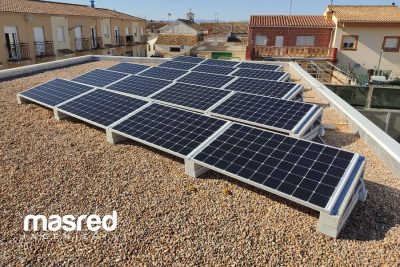
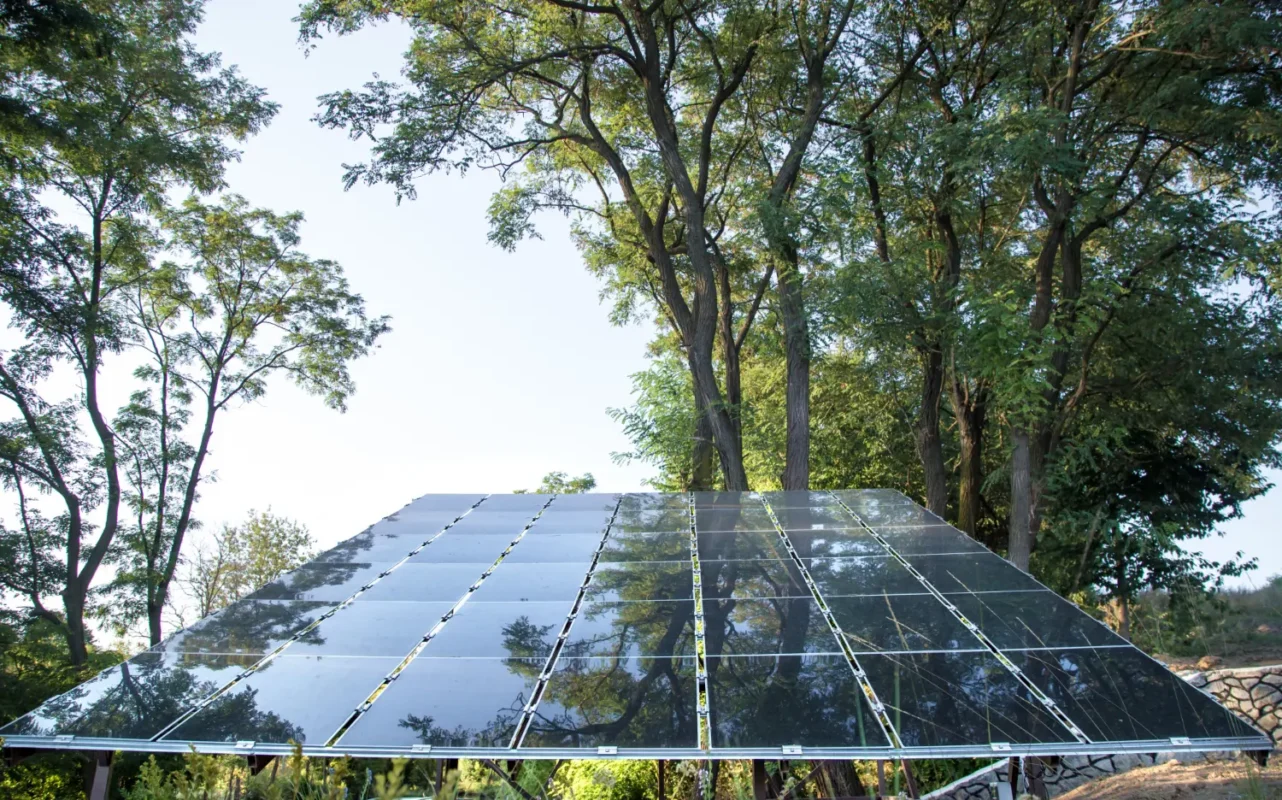
In this context, energy self-consumption, mainly achieved by installing solar panels has proven to be an effective way to reduce dependence on fluctuating electricity markets.
Photovoltaic panels allow households and businesses to generate their own electricity, significantly lowering grid consumption. In many cases, savings of up to 70% on electricity bills are achievable, depending on system size, consumption patterns, and available sunlight.
This is why, in regions with high solar potential, such as Valencia and the Balearic Islands, self-consumption is becoming increasingly popular.
Why solar adoption is accelerating
Several benefits are driving the rapid growth of solar installations:
- Lower installation costs, due to technological advances and economies of scale.
- Government incentives and grants supporting renewable adoption.
- Simplified administrative procedures.
- Improved and more accessible battery storage solutions that allow energy use beyond daylight hours.
- Greater awareness of long-term savings and benefits of energy independence.
Comprehensive support for the energy transition
Transitioning to solar energy involves important technical, administrative, and financial considerations. Professional guidance helps ensure that systems are properly designed and scaled, and permits are correctly processed, while it also helps understand and take advantage of available or upcoming government grants.
At MASRED Engineering we provide you with all the information, knowledge and support you require, from initial studies to choosing solar panel brands, installation sizing, or off-grid solutions for full energy independence.
A long-term perspective on energy resilience
At this point, electricity prices seem unlikely to go back to being low and stable as they were decades ago. The global energy system is changing, and price volatility may remain a defining feature in this transition period.
This is why changing to solar is not just a way to save money on electricity bills, but also a way to gain safety, control and financial stability, all while being more environmentally friendly.
Moving towards a more sustainable future
European policies show a firm commitment to renewable energy and the adoption of measures to mitigate the impact of climate change, taking steps towards a more sustainable lifestyle.
This means now is the ideal time for businesses and citizens to join the change by installing more environmentally friendly energy solutions, such as solar panels or aerothermal systems.
At MASRED, we help you bring your energy installation project to life so you can be more environmentally friendly while saving on your energy consumption, all without sacrificing comfort.