Renewable energy is one of the areas that has seen the most technological progress in recent years. The need to combat climate change and the public’s growing awareness of energy sources and the state of the environment are transforming the way we produce energy.
In contrast to widely used fossil fuels, there is currently a wide range of more environmentally friendly energy options available, so it is important to stay up to date and understand what types of renewable energy exist in order to determine which is most suitable in a given context.
What is renewable energy?
Renewable energy refers to energy generated from natural resources that are not limited. While the use of renewable energy sources, such as water, heat, wind and sunlight, does not involve any depletion, the use of fossil fuels like coal, oil or natural gas involves the use of limited reserves.
Furthermore, the extraction of fossil fuels itself involves high energy consumption, with a large ecological footprint and greenhouse gas emissions, causing additional damage to the environment.
In this way, renewable energy alternatives seek to maintain everyday comfort while minimising the impact of this energy consumption on the planet.

Solar energy and its applications
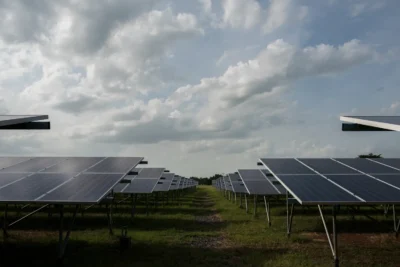
Solar energy is one of the most widely used and accessible forms of renewable energy nowadays. It works by capturing sunlight through photovoltaic solar panels and converting it into electricity. Solar thermal systems, on the other hand, use sunlight to heat water or air for domestic use.
Solar panels are commonly installed on rooftops of homes and businesses, as well as in large-scale solar farms in order to generate electricity, but they can also be installed on a domestic level, reducing electricity bills and dependence on the grid. The excess energy produced can either be stored in batteries for a
The surplus energy generated can be stored in batteries for later use or released into the grid to be used by third parties, with a consequent reduction in the electricity bill of those generating the electricity.
In this way, solar panels have become an ideal option for generating energy in a cleaner way and reducing the cost of electricity bills, especially in areas with many hours of sunlight, such as Spain.
Wind energy and how it works
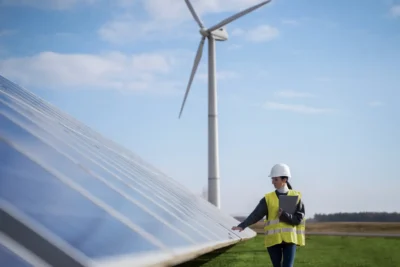
Wind energy harnesses the kinetic energy of moving air in order to generate electricity. Wind turbines have large blades which rotate when the wind passes over them, driving a generator to produce power. This technology is highly efficient in areas with consistent wind patterns.
Wind energy is primarily produced in wind farms, which supply electricity to national grids. Although small-scale wind turbines for residential use exist, they are not common.
Hydropower as a renewable source
Hydropower is one of the oldest and most established forms of renewable energy. It generates electricity by using the force of moving or falling water, typically from rivers or dams, to spin turbines connected to generators.
Large hydropower plants provide a stable and reliable source of energy, which is again released into the grid.
Geothermal and aerothermal energy
Geothermal energy uses heat stored beneath the earth’s surface to provide heating, cooling, and electricity. In residential settings, geothermal heat pumps transfer heat from the ground into buildings during winter and reverse the process in summer. These systems are extremely efficient and provide stable performance year-round, although they require excavation or drilling, so installation is pretty challenging.
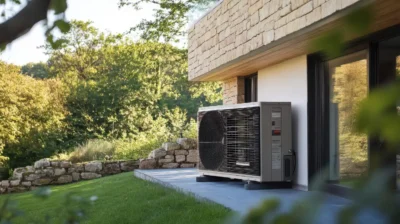
Aerothermal energy works in a similar way, but extracts heat from the outside air instead of the ground. Air source heat pumps are increasingly popular in modern homes due to their lower costs and easy installation, and they can provide heating, cooling, and domestic hot water while consuming significantly less electricity than traditional systems.

Benefits of renewable energy for homes
Renewable energy offers numerous benefits for homeowners. One of the most significant advantages is long-term cost and energy savings. Although initial installation costs can be perceived as high, reduced energy bills often lead to a fast return on investment.
Renewable systems also increase energy independence, reducing the impact of fluctuating energy prices.
In addition, from an environmental perspective, they lower carbon emissions and contribute to a more sustainable lifestyle.
Lastly, homes equipped with renewable energy solutions are often more attractive in the house market and their value increases.
Renewable energy trends in Europe
Europe is driving economic transition from different perspectives, and member countries themselves are implementing incentives to encourage more people, businesses and industries to adopt renewable energy.
Many countries are investing heavily in solar and wind infrastructure, while promoting energy-efficient buildings and electrification of heating systems.
Trends such as energy storage, and hybrid systems combining solar panels with air source heat pumps are becoming one of the most popular solutions for modern homes.