There are several types of solar panels and, before switching to solar, it is key to understand the differences between them and which is the right option for a specific home or industry.
Types of Solar Panels Explained
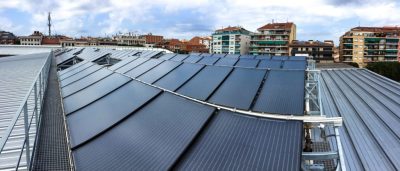
There are three main types of solar panels: monocrystalline solar panels, polycrystalline solar panels and thin-film solar panels.
Monocrystalline Solar Panels (Mono-Si)
Monocrystalline panels are made from monocrystalline silicon. This gives them a uniform dark appearance and the highest efficiency among conventional photovoltaic options. Their high fill factor, good performance in low light conditions and low temperature coefficient make them ideal for maximising energy yield.
Polycrystalline Solar Panels (Poly-Si)
Polycrystalline panels use multiple silicon crystals in each cell, giving them a blue-speckled appearance. They provide solid performance at a low cost, making them a budget-friendly option for residential and commercial installations where space is not particularly limited.
Thin-Film Solar Panels (a-Si, CdTe, CIGS)
Thin-film solar cells are manufactured by depositing layers of photovoltaic materials onto glass, metal, or plastic substrates. They include amorphous silicon (a-Si), cadmium telluride (CdTe), and copper indium gallium selenide (CIGS). Thin-film panels are lightweight, flexible, and offer great performance at high temperatures, although overall efficiency is generally lower.
Monocrystalline Panels: High Efficiency and Longevity
Monocrystalline panels stand out for their high efficiency and longevity.
Key Features and Performance
Monocrystalline silicon panels typically achieve efficiency ratings between 19% and 24%, thanks to their high purity and advanced cell structures.
Their degradation rate is low, often around 0.3% or 0.6% per year, which ensures stable long-term energy yield. Under Standard Test Conditions (STC), they offer high power output and strong performance in high solar radiation zones.
Best Use Cases and Ideal Environments
Because of their high efficiency and strong temperature resilience, monocrystalline panels are ideal for rooftops with limited space, urban residential installations, high heat or variable climate regions or self-consumption systems seeking maximum energy harvest.
Pros and Cons for Installers
Every type of solar panels has its pros and cons. Monocrystalline panels show the highest efficiency and energy yield, excellent performance in low light and come with long warranties (often between 25 and 30 years). Nevertheless, the initial cost is higher initial and they require very careful installation to avoid microcracks.
Polycrystalline Panels: Cost-Effective Option
Polycrystalline are the most cost-effective option for those willing to switch to solar with a limited budget.
Performance and Durability
Polycrystalline silicon panels have slightly lower efficiency, usually from 15% to 18%, due to their multi-crystal structure. However, they remain durable, reliable, and capable of delivering competitive energy yield in cooler climates or large surface areas.
When to Choose Polycrystalline Technology
Poly-Si might be the best option when keeping the budget low is a priority, the installation site has plenty of usable roof or ground-mount space or when efficiency is less important than cost per watt.
Efficiency vs. Budget Comparison
While monocrystalline panels offer up to 20% more power output per square meter, polycrystalline panels reduce upfront costs and still provide strong long-term value. For large commercial installations where space is abundant, Poly-Si can be the most economical choice.

Thin-Film Panels: Lightweight and Flexible
There are different thin-film technologies suitable for several scenarios.
Different Thin-Film Technologies
These include a-Si (Amorphous silicon), often used in small devices, CdTe (Cadmium telluride), efficient and with a stable temperature performance, and CIGS, efficient, flexible and lightweight.
Applications for Buildings and Vehicles
Thin-film panels are ideal for curved or irregular rooftops, building-integrated photovoltaics (BIPV), commercial façades and shading systems or even RVs, boats, trucks, and portable power solutions.
Limitations and Maintenance Needs
Thin-film modules have lower efficiency and their lifespan is often shorter.
New-Generation Solar Technologies
New-generation solar technologies improve performance, enhance lifespan and minimise maintenance needs.
Bifacial Panels and Double-Glass Modules
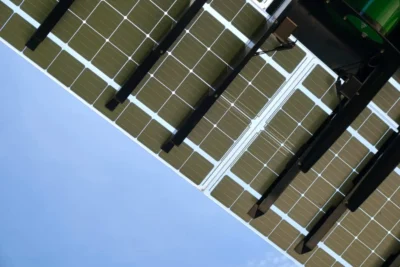
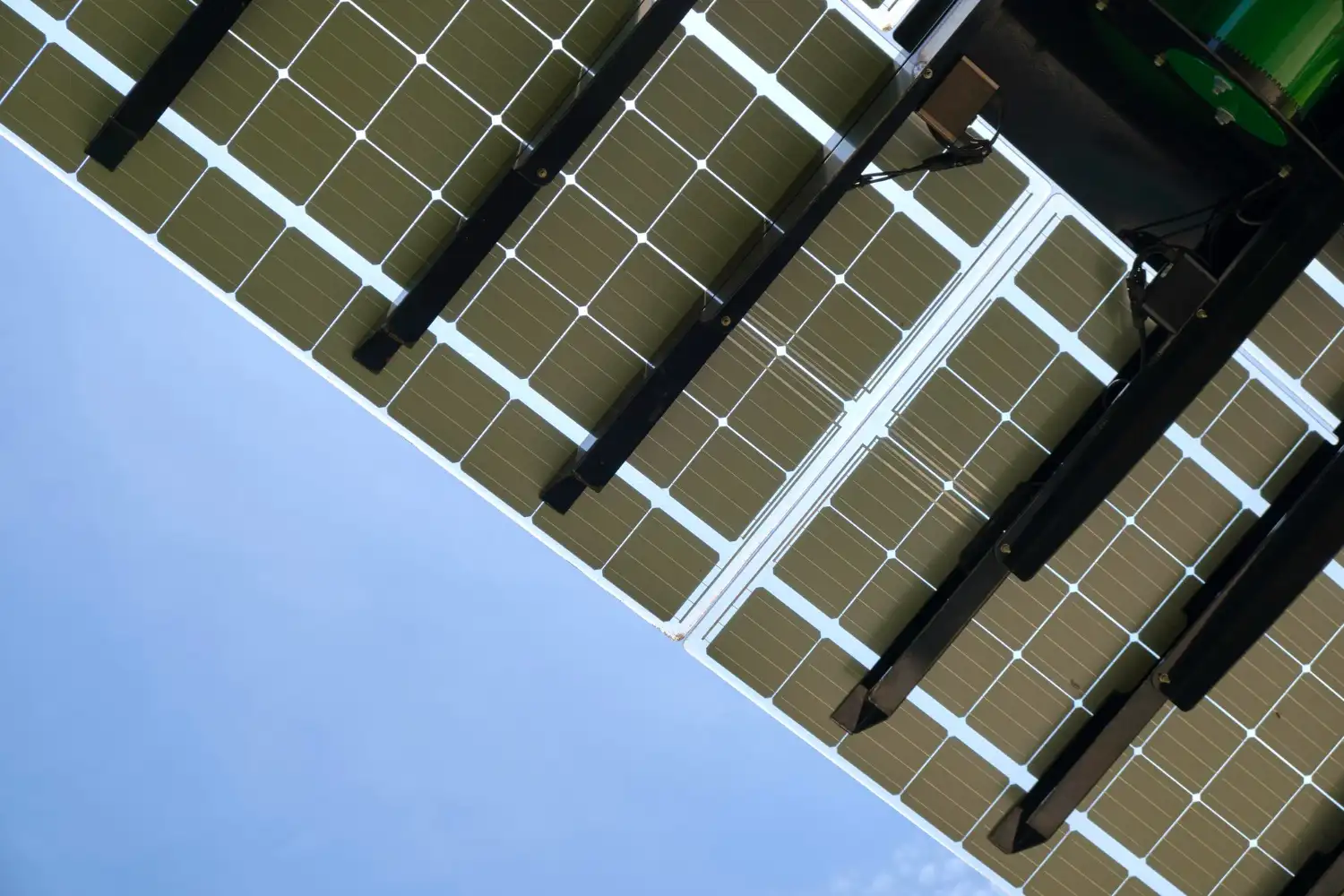
Bifacial modules capture sunlight on both sides, increasing energy yield considerably depending on ground reflectivity. Double-glass designs enhance durability and reduce moisture ingress, lowering the degradation rate.
PERC, TOPCon and HJT Cells
- PERC (Passivated Emitter and Rear Cell) improve light capture and boosts efficiency.
- TOPCon (Tunnel Oxide Passivated Contact) offers higher efficiency and lower temperature coefficient than PERC.
- HJT (Heterojunction Technology) combines crystalline and thin-film layers for superior performance and very low degradation.
Perovskite Solar Cells: The Future Trend
Perovskite solar cells promise high efficiency at low manufacturing cost.
How to Choose the Right Type
Choosing the right type of solar installation requires knowledge and experience. Each location and client needs have to be addressed individually.
Efficiency vs Available Roof Space
If roof space is limited, prioritising high-efficiency Mono-Si or advanced cell technologies is recommended. For large rooftops or ground-mount systems with more space could use more cost-effective options.
Budget, Aesthetics and Climate Conditions
Depending on priorities, choices may vary. When focused on budget, choose Poly-Si. When aesthetic is a preference, black monocrystalline modules. In hot climates, thin-film can be better.
Residential vs Commercial Installations
For residential uses, high-efficiency mono panels maximise returns, while Poly-Si or bifacial double-glass modules can deliver higher annual energy yield.
Final Recommendations
To know if your priorities make sense, always work with professional solar installers who know the different types of solar panels for roofs and which one is best for each location and needs.
Compare Efficiency and Warranty Before Buying
Evaluate the efficiency rating, temperature coefficient, power output, and degradation rate.
Choose Certified Installers and Reliable Brands
A certified installer ensures correct mounting, electrical safety, and optimal design for self-consumption systems or grid-connected installations. A right installation is crucial to enhance its lifespan.
Plan for Long-Term Energy Yield
Consider future electricity needs, battery storage integration, and how your chosen panel type will perform over decades.