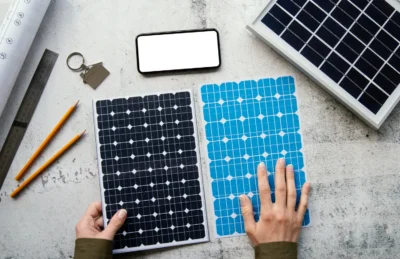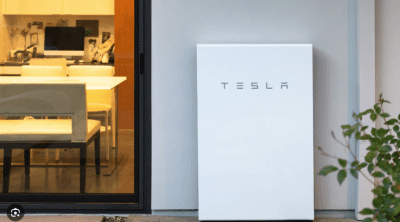
With the current volatility in fuel prices, which directly affects the cost of electricity, more and more countries, businesses and individuals are looking for renewable energy options that offer greater independence and help them avoid the impact of price fluctuations.
Solar energy is one of the alternatives that has gained the most momentum in recent years, thanks to its easy installation and its efficiency, particularly in areas with plenty of sunshine.
As energy efficiency, sustainability, and cost savings become top priorities, hybrid solar panels are gaining significant attention as a practical and forward-thinking solution.
Understanding Hybrid Solar Panels
Hybrid solar panels, also known as photovoltaic-thermal (PVT) panels, are designed to generate both electricity and heat simultaneously.
Traditional solar panels (photovoltaic or PV panels) convert sunlight into electricity, while solar thermal systems capture heat for water or space heating. Hybrid panels integrate both technologies into one unit.
This dual functionality is achieved by combining photovoltaic cells with a thermal collector. As the panel absorbs sunlight, it generates electricity while also capturing the heat produced during the process, which is transferred to a fluid that can be used for domestic hot water, heating systems, or even industrial processes.
Why Hybrid Panels Are Gaining Popularity
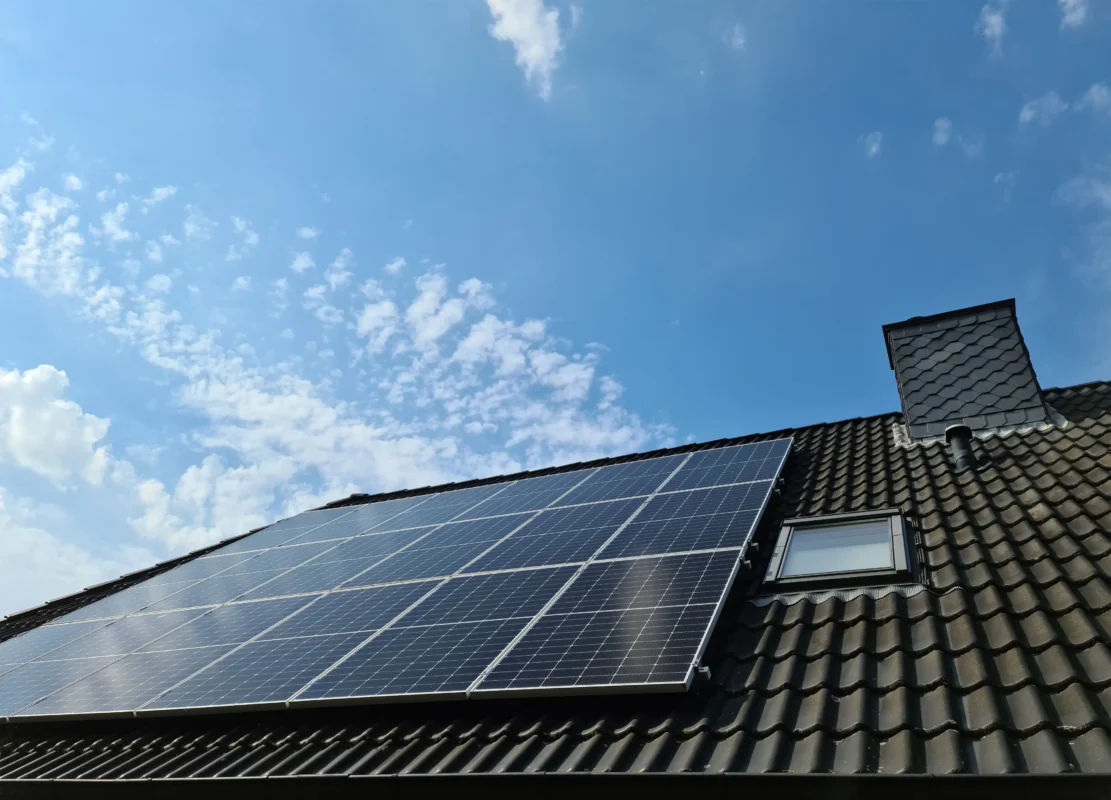
In recent years, hybrid solar panels have become a common and popular option, thanks to improvements in efficiency, durability, and affordability.
One key advantage is their ability to produce significantly more energy per square meter compared to conventional panels. While a standard PV system only generates electricity, hybrid panels make use of excess heat that would otherwise be wasted, an advantage that makes them a smart choice for buildings with high energy demands.
Environmental Benefits
Switching to solar and other renewable energy options is crucial for the environment. By generating clean, renewable energy, these systems help reduce reliance on fossil fuels and reduce the carbon footprint.
Energy Efficiency and Performance
Hybrid panels are highly efficient because they make the most of the energy, generating both electrical and thermal outputs. In fact, modern systems can achieve combined efficiencies of over 70%, way higher than standard photovoltaic panels.
Traditional solar panels tend to lose efficiency as they heat up, while hybrid panels actively remove excess heat through the thermal system, keeping the photovoltaic cells cooler and improving their electrical performance.
Cost Savings and Return on Investment
From a financial perspective, hybrid solar panels reduce the need for separate energy systems, lowering installation and maintenance costs over time.
In many cases, users can reduce their electricity bills by 20% or 30%, depending on their consumption patterns and system size. For buildings with high hot water demand, such as hotels, gyms or sports centres, savings can be even greater.
Furthermore, thanks to the grants and tax incentives available to encourage the installation of clean energy solutions, the initial outlay can be significantly lower, thereby shortening the payback period.
Smart Monitoring and Digital Integration
Modern hybrid solar installations are often equipped with advanced monitoring systems that allow users to track energy production and consumption in real time through mobile apps or web platforms.
Owners can monitor how much electricity and heat their system is generating, as well as the financial savings achieved. This also helps to take the system’s maintenance requirements into account and makes it easier to detect any malfunctions.
Applications Across Different Sectors
Hybrid solar panels are highly versatile and can be adapted to a wide range of applications, from residential buildings to commercial properties and the hospitality sector. Homes, hospitals, hotels, resorts, educational institutions and sports centers benefit greatly from installing hybrid solar panels.
Challenges and Considerations
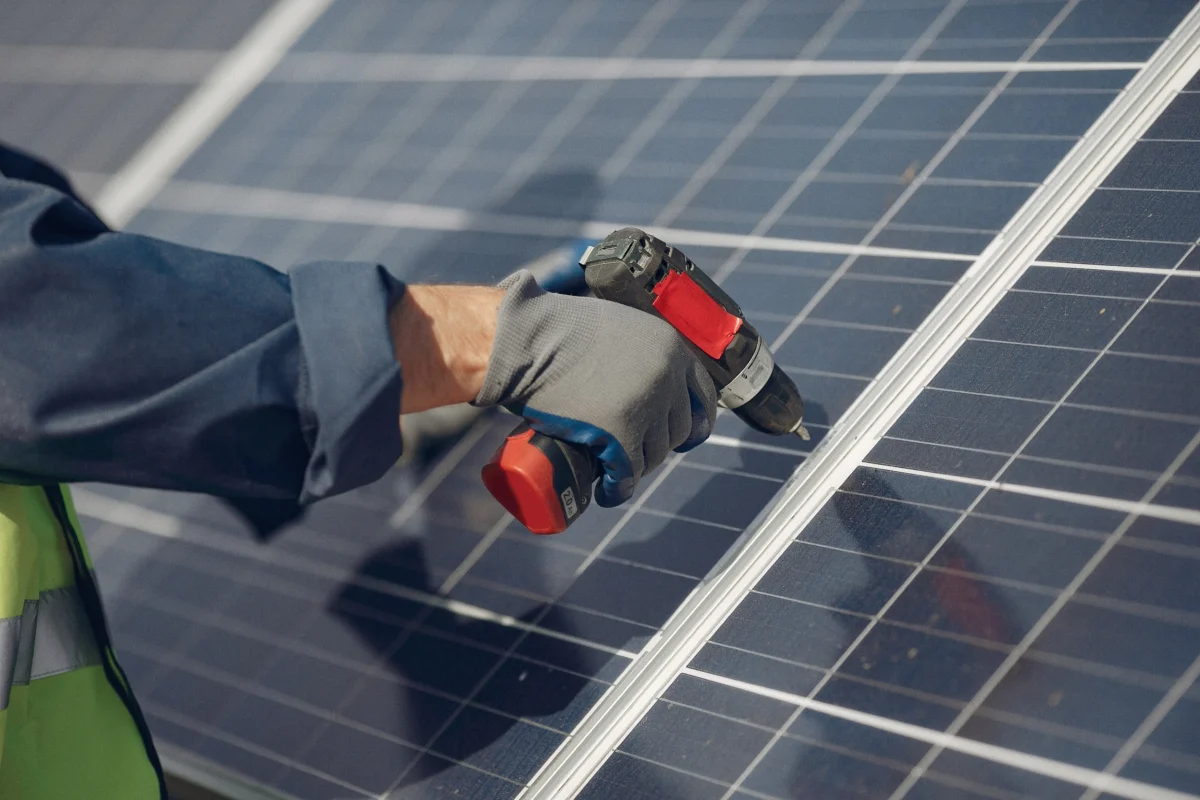
Despite their many advantages, hybrid solar panels face some challenges, just like every other system. Although installing hybrid solar panels pays back in short time, its initial cost is higher than other systems.
Relying on a professional installer is a must to make sure the system design and installation ensure optimal performance.
The Future of Hybrid Solar Technology
Looking ahead, hybrid solar panels are expected to play an increasingly important role in the global energy transition.
Advances in materials, such as improved heat exchangers and more efficient photovoltaic cells, are likely to further enhance performance and reduce costs, and European governments are expected to continue promoting measures to facilitate the transition to renewable energy, in line with sustainability policies aimed at mitigating the effects of climate change.
In a climate where energy prices are so volatile, opting for clean energy solutions that enable greater self-sufficiency can be a way of ensuring financial stability.
Contact us and our engineering team will be happy to help you with any questions you may have about the most suitable renewable energy options for your needs.