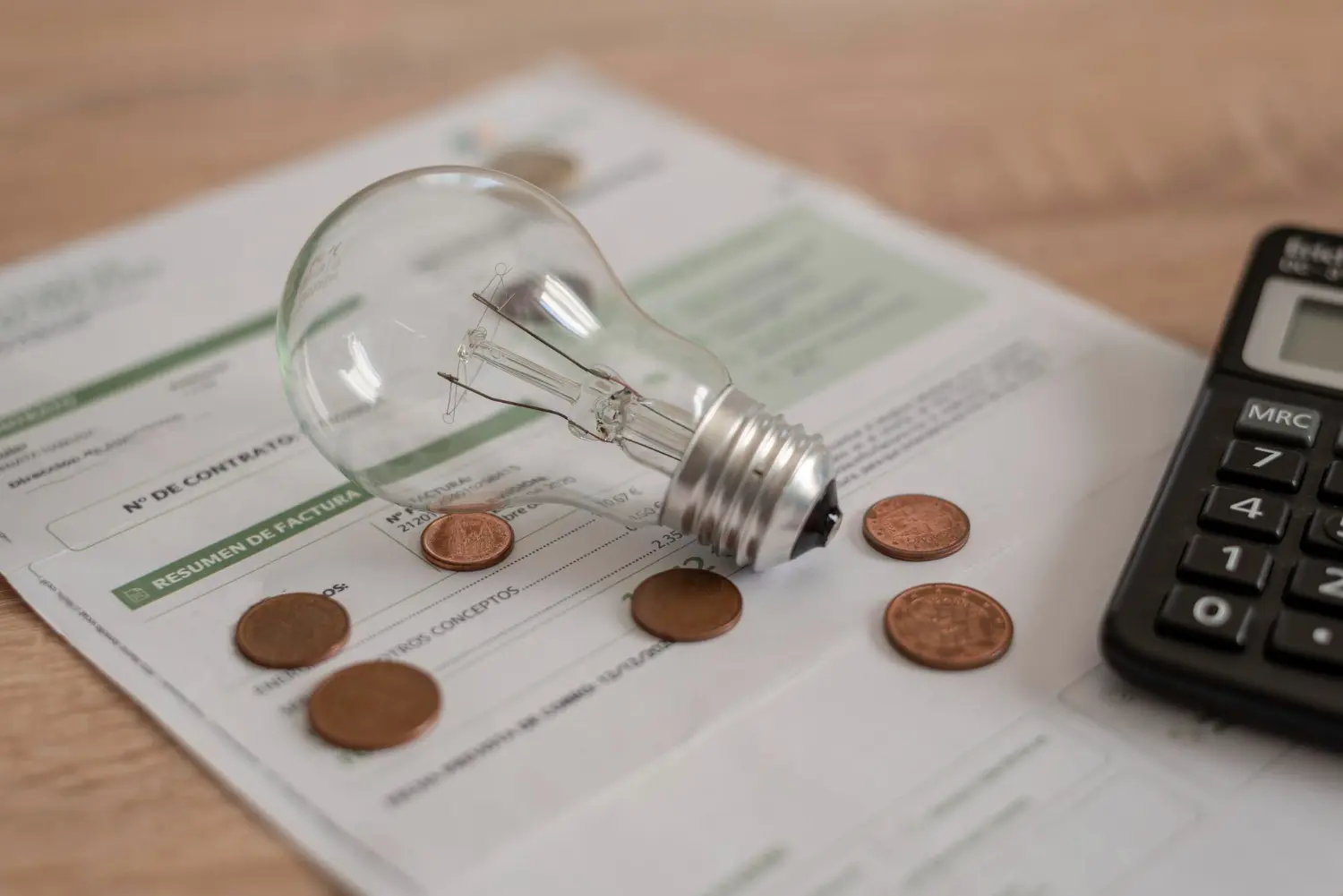
Often, expats are surprised by the price of electricity in Spain. It is common that, depending on their country of origin, people find electricity bills particularly high in the country.
Even when being environmentally conscious and choosing efficient systems, electric bills can be perceived as costly. Understanding how the Spanish electricity system works can help those who want to reduce energy expenses and find the right methods to lower their bills.
Common reasons electricity bills are high in Spain
There are several factors that commonly contribute to high electric bills in Spain. One of the main reasons is the structure of electricity contracts, which combine both energy consumption and fixed costs. This means that, even if electricity consumption itself is reduced, the bill will not necessarily decrease proportionally.
The need to heat and cool homes, partly due to the climate in the area, but also due to the characteristics of the buildings in many cases, often involves considerable energy consumption to keep comfort.
Lastly, outdated appliances, such as old refrigerators, washing machines, driers and water heaters can contribute to the bills being particularly high.
Energy prices and tariffs in Spain explained
Electricity prices in Spain include various items, such as taxes and network costs, and are often subject to market fluctuations.
In fact, most households are on either the regulated tariff (PVPC) or a free-market tariff offered by private suppliers.
The regulated tariff is linked to hourly wholesale market prices, meaning electricity costs vary throughout the day. This can lead to high bills if most consumption occurs during peak hours.
On the other hand, free-market tariffs can offer more stability but may include higher fixed fees or long-term contracts.
Reviewing your contract and understanding your tariff structure, contracted power and pricing is essential to identifying where costs can be reduced.
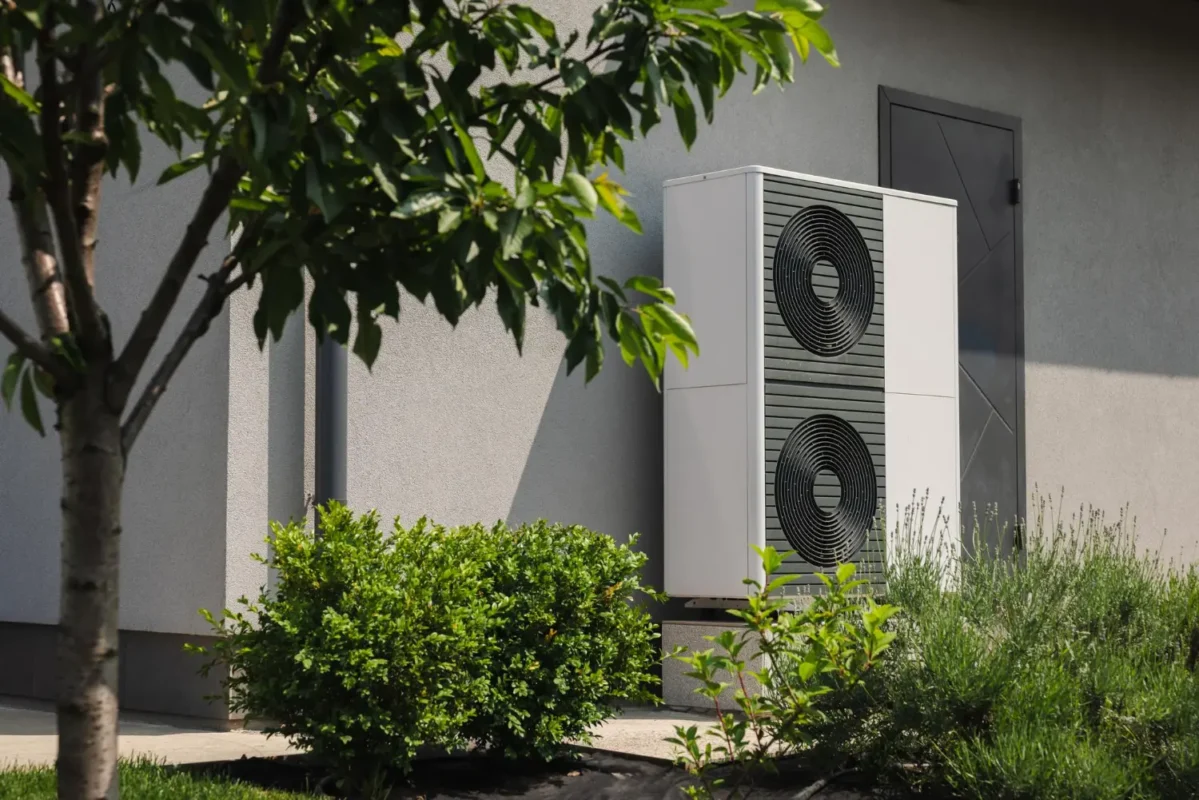
How home heating and cooling affect electricity consumption
Heating and cooling systems are typically the largest contributors to household electricity consumption in Spain. In summer, air conditioning units often run for long hours, especially in coastal and southern regions. In winter, electric heaters or heat pumps can significantly increase energy use.
Poor insulation, old windows and doors, and a lack of awareness when it comes to controlling the temperature can significantly increase a home’s energy costs by forcing HVAC systems.
Some small adjustments, such as setting thermostats a few degrees higher in summer or lower in winter, may have a noticeable impact on monthly bills.
The impact of inefficient HVAC systems
An inefficient HVAC (heating, ventilation, and air conditioning) system can dramatically increase electricity consumption, mainly because modern technology is designed to be more efficient and environmentally friendly.
Maintenance is also key to keeping HVAC systems efficient. Dirty filters, refrigerant leaks, or poorly calibrated thermostats reduce efficiency and increase running time. Upgrading or properly maintaining these systems can lead to immediate and long-term savings.
How aerothermal systems can reduce electricity bills
Aerothermal systems, which extract energy from the air to provide heating, cooling, and hot water, are becoming increasingly popular.
They are highly efficient in different conditions, such as Spanish climate, where they can generate more energy than they consume, achieving hight efficiency ratios.
So homeowners significantly reduce electricity consumption by replacing conventional electric or gas-based systems with aerothermal technology, while maintaining comfort year-round.
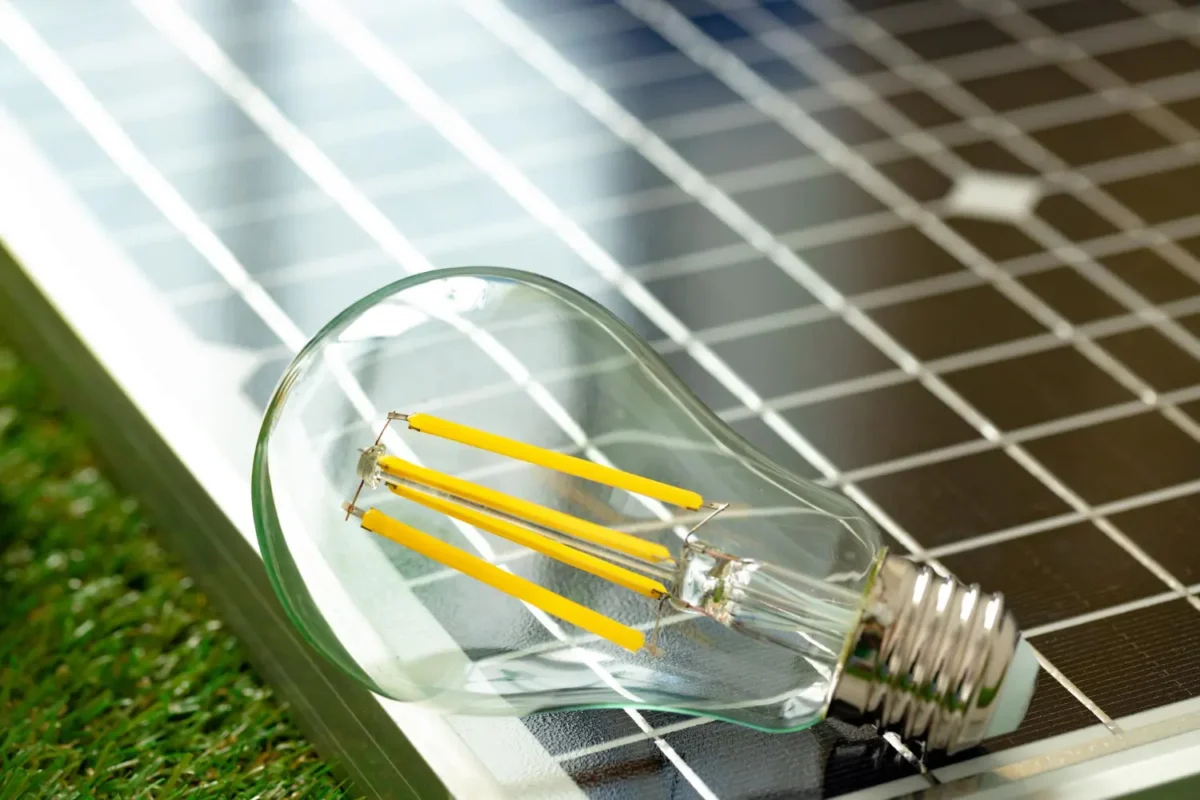
Solar panels as a solution to high energy costs
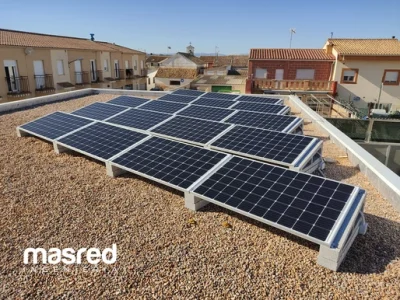
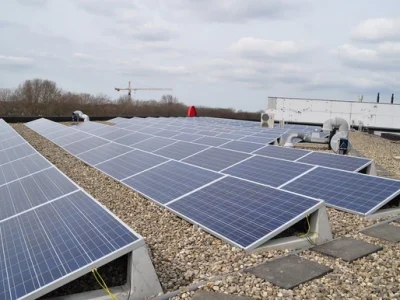
Solar energy is one of the most effective ways to get lower electricity bills in Spain, thanks to the country’s abundant sunshine.
Installing solar panels allows homeowners to generate their own electricity. It is a way to use renewable energy and be more environmentally friendly, but it also allows them to have greater control over the cost of electricity, limiting the dependence on the grid.
Self-consumption systems can be paired with batteries to store energy to use at night, and excess energy can also be fed back into the grid for a compensation included in the bills.
For many households, solar panels can reduce electricity bills by 50% or more, making them a powerful long-term solution.
Tips to lower your electric bill in Spain
There are several practical steps you can take to reduce a high electric bill in Spain:
- First, review your electricity tariff. Check if it matches your needs and if it is convenient according to your consumption habits.
- Adjust contracted power to your real needs.
- Use major appliances during off-peak hours whenever possible.
- Replace old appliances with energy-efficient models.
- Improve insulation and upgrade doors and windows.
- Make sure you plan the right maintenance to your HVAC systems to ensure optimal performance.
- Consider installing renewable energy solutions such as aerothermal systems or solar panels.
All in all, high electricity bills in Spain respond to several factors but, by understanding the electrical market, you can plan the right strategy to lower costs.