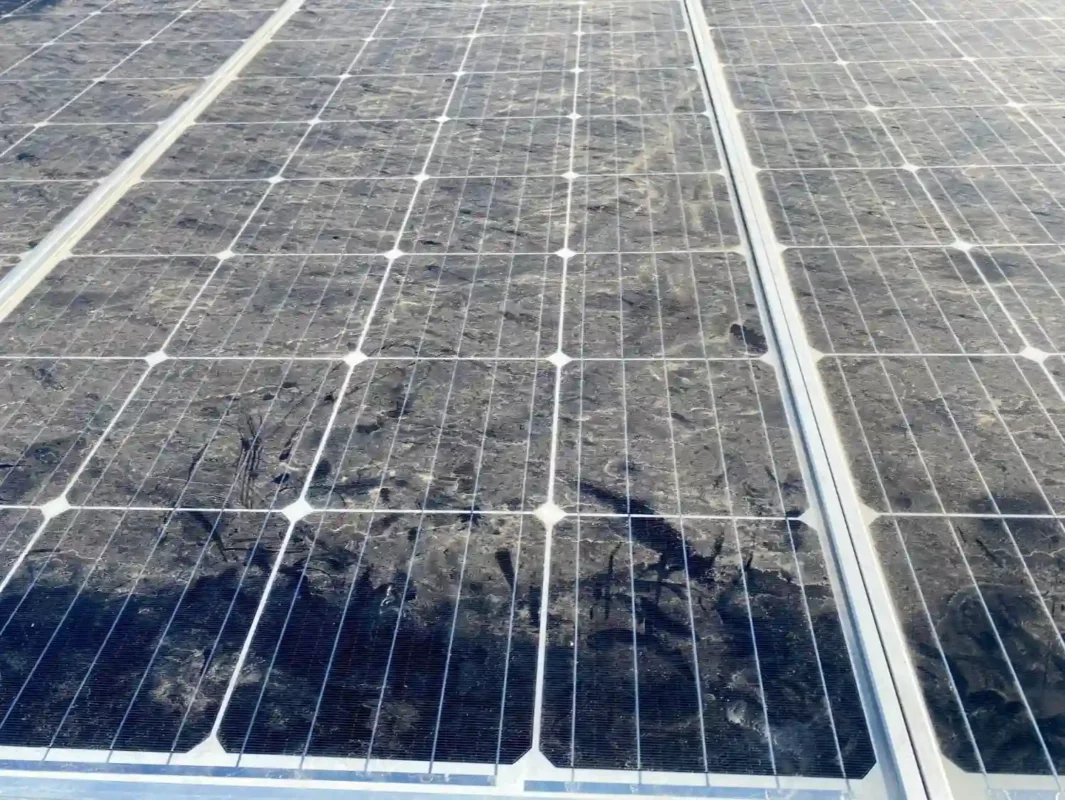
Solar panels generate electricity when sunlight reaches the photovoltaic cells on their surface. Over time, dust, pollen, bird droppings and other environmental particles accumulate on the glass. This layer of dirt reduces the amount of solar radiation reaching the cells and gradually lowers electricity production.
Regular cleaning and maintenance help keep solar installations operating at their expected performance. When the surface of the panels remains clean, the system can capture more sunlight and maintain stable energy generation.
Cleaning also helps extend the lifespan of the installation. During maintenance tasks, technicians can inspect the panels and detect small issues before they affect the system’s performance.
How to clean solar panels
Cleaning solar panels requires attention and proper methods. Although removing dirt from the surface may seem simple, photovoltaic panels are delicate systems that include protective glass, coatings and electrical components. Using the wrong tools or techniques can damage the panels and reduce their performance. For this reason, cleaning tasks are usually carried out under the supervision of professionals with experience in solar panel maintenance.
Initial inspection of the installation
Solar panel cleaning usually begins with a visual inspection of the installation. This step helps identify areas where dirt has accumulated and allows technicians to evaluate the safest way to access the panels.
The inspection also helps detect potential risks such as damaged frames, loose elements or obstacles around the installation.
Use of purified or demineralized water
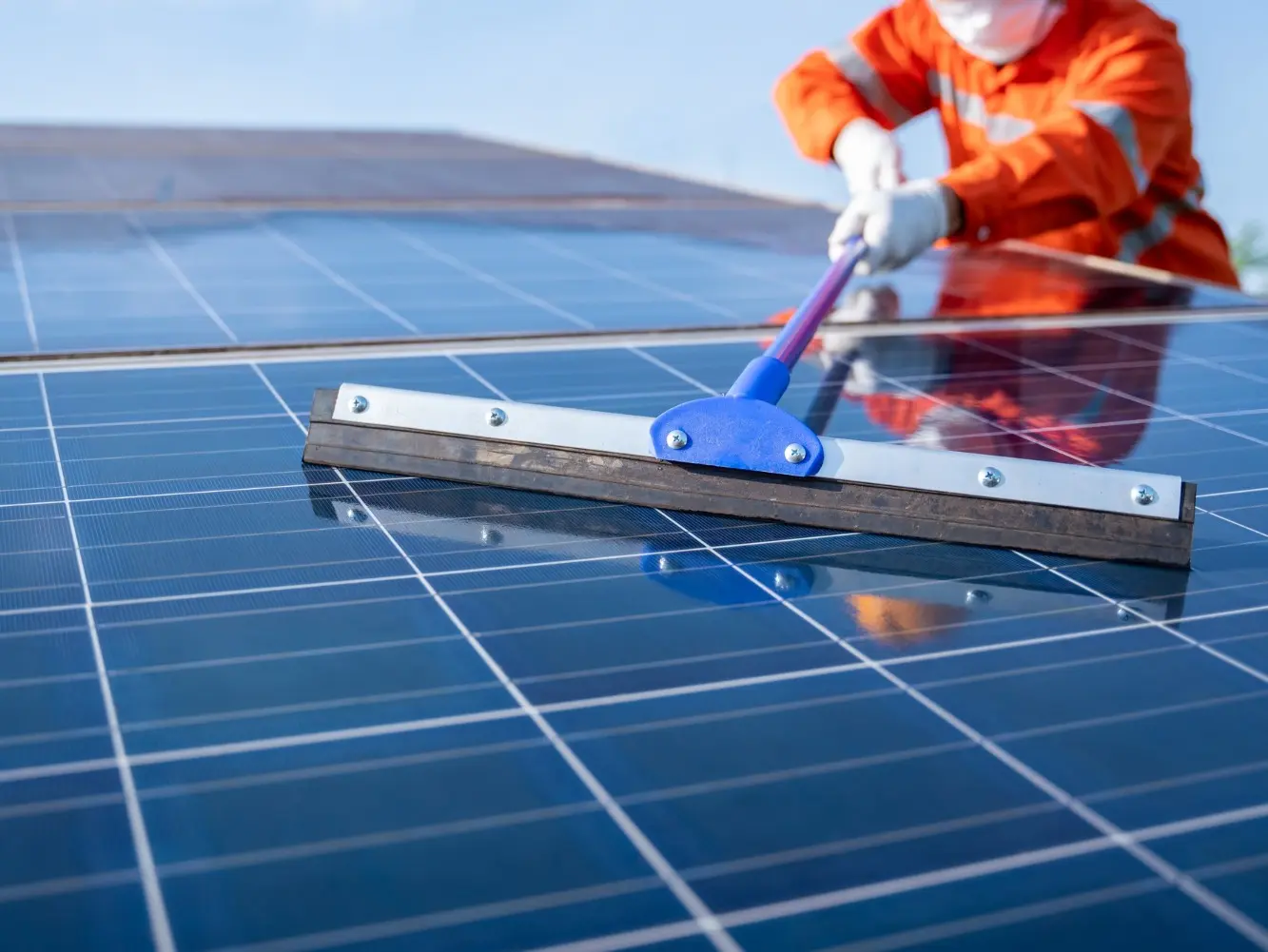
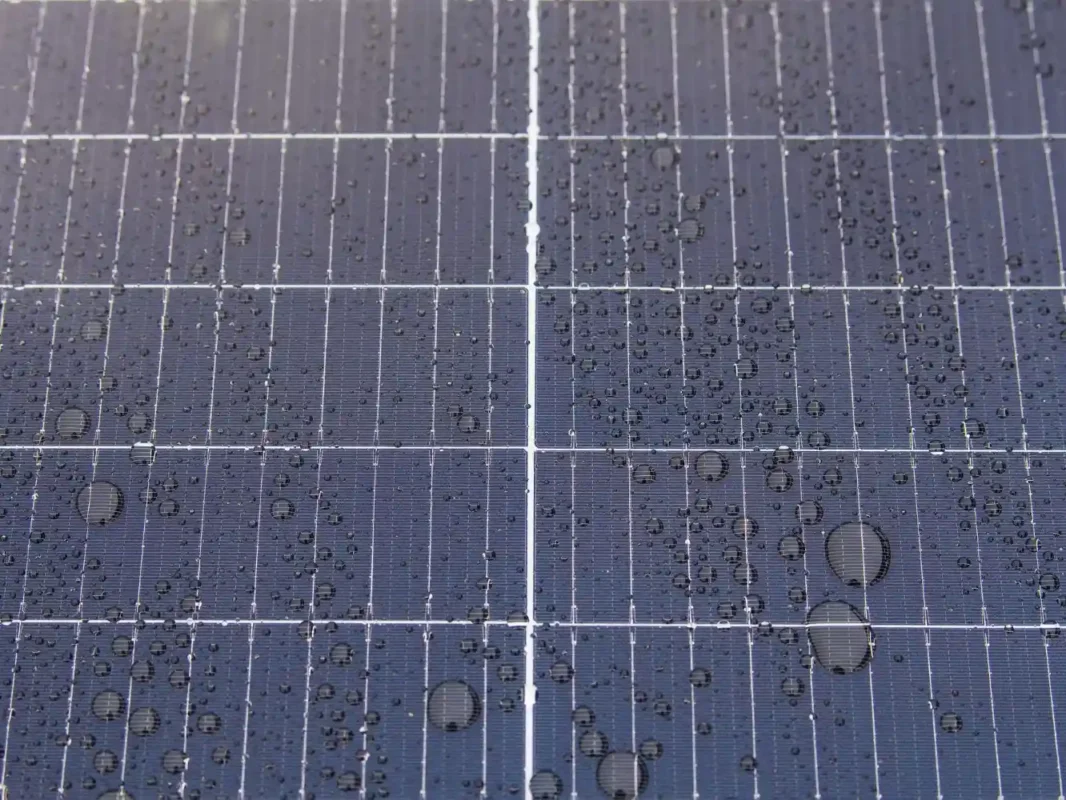
The most common cleaning method uses purified or demineralized water. This type of water prevents mineral deposits from remaining on the glass surface after cleaning.
Tap water can leave residues when it dries, especially in areas with high mineral content.
Cleaning with soft brushes designed for solar panels
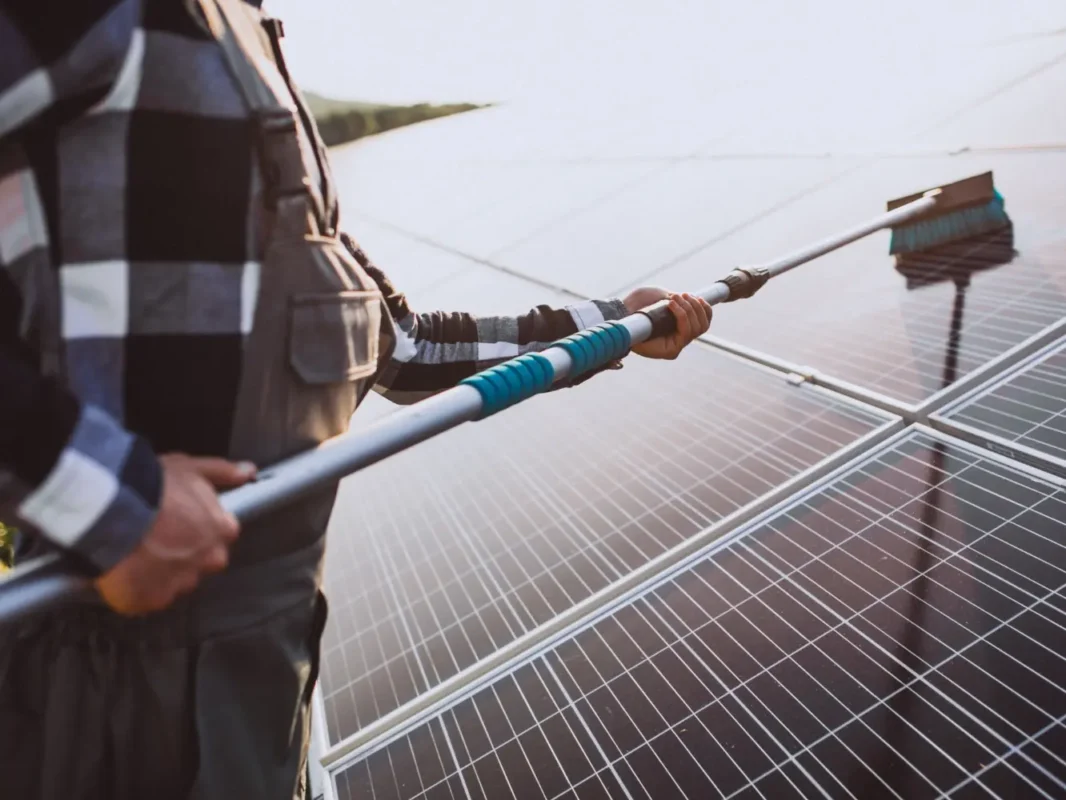
Soft brushes specifically designed for photovoltaic panels are used to remove dust and organic residues. These brushes help clean the surface without scratching the protective glass.
The cleaning movement must remain gentle and uniform across the panel surface.
Avoiding high pressure cleaning systems
High pressure cleaning systems are avoided during solar panel maintenance. Excessive pressure can damage seals, frames or electrical connections.
Gentle water flow combined with soft brushes removes most surface residues effectively.
Cleaning when the panels are cool
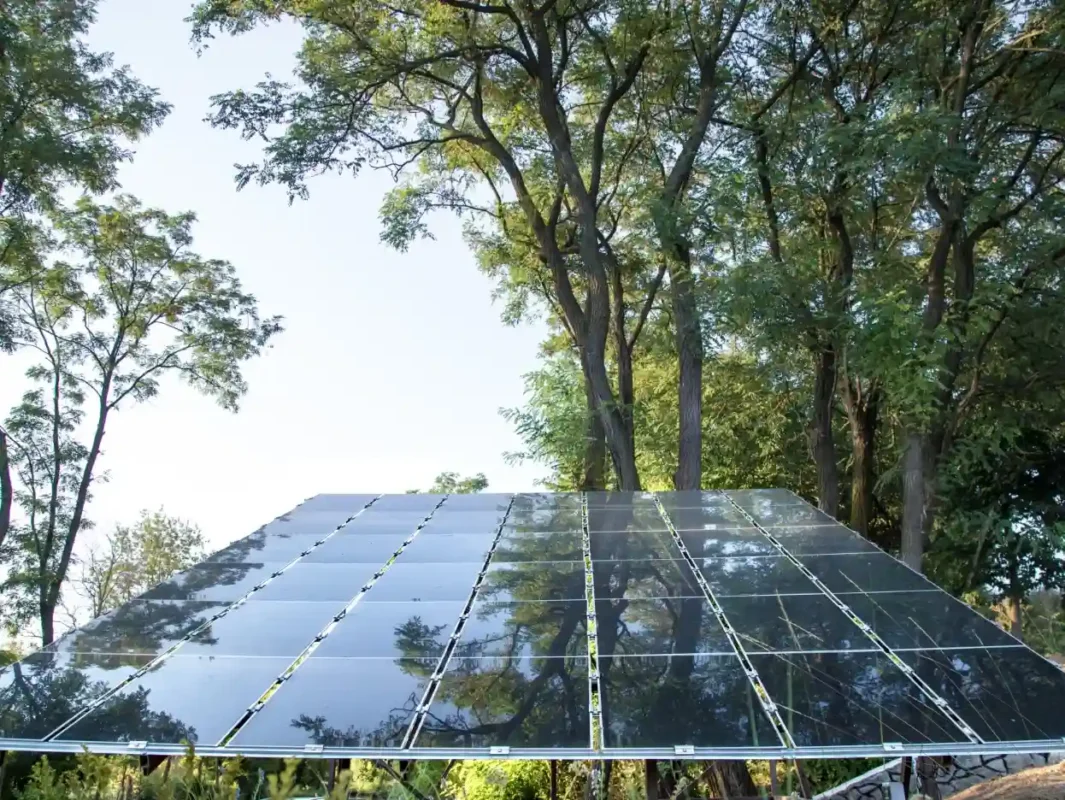
Panel temperature influences the cleaning process. Cleaning usually takes place when the panels are cool, often early in the morning or later in the day.
If the panels are very hot, water may evaporate quickly and leave marks on the surface.
Safe access to rooftop installations
Many solar installations are located on rooftops or elevated structures. Accessing these locations requires proper safety precautions.
Technicians use protective equipment and secure access systems when working on sloped surfaces.
Importance of professional supervision
Although cleaning may appear simple, improper methods can damage the panels. Abrasive tools, aggressive chemicals or excessive pressure may scratch the glass or weaken protective coatings.
For this reason, solar panel cleaning is often carried out under professional supervision or by technicians familiar with photovoltaic maintenance procedures.
Why cleaning solar panels is important
The performance of a photovoltaic system depends on the amount of sunlight reaching the cells. When dirt accumulates on the surface, part of the incoming light is blocked.
Even a thin layer of dust can reduce the intensity of sunlight reaching the cells. Over time, this reduction leads to lower electricity production.
Certain residues create stronger effects. Bird droppings, leaves or concentrated patches of dirt can produce localized shading across parts of the panel. When one section of a panel receives less sunlight, the electrical output of the entire module may decrease.
Environmental conditions also influence how quickly panels become dirty. Installations located near roads, industrial areas or construction sites usually accumulate dust faster. In areas with little rainfall, dirt remains on the surface for longer periods.
Regular cleaning helps maintain stable energy production and prevents gradual performance losses.
Efficiency comparison: clean vs dirty solar panels
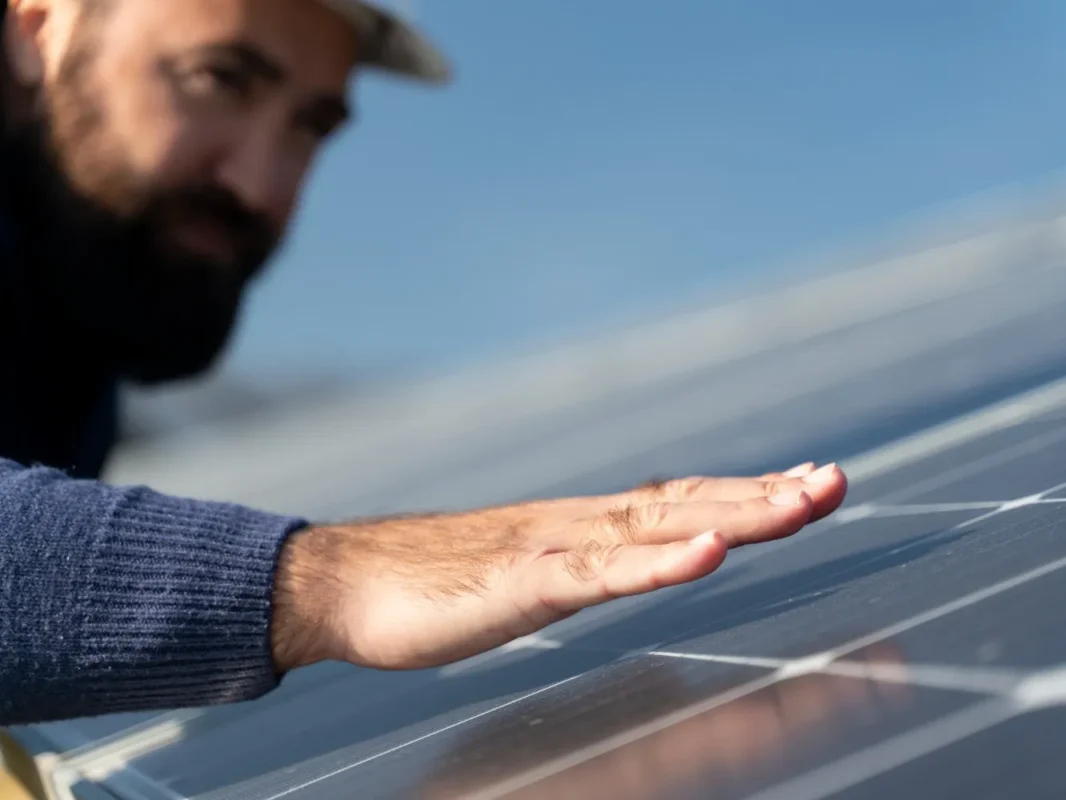
The condition of a solar panel’s surface has a direct effect on the amount of sunlight reaching the photovoltaic cells. When the glass remains clean, the system captures solar radiation more efficiently and maintains stable electricity production. As dirt accumulates, part of the incoming light becomes blocked, which gradually reduces the panel’s output.
| Panel condition | Surface situation | Estimated efficiency loss | Recommended action |
|---|---|---|---|
| Clean panels | Surface free of dust or residues | 0% – 2% | Regular monitoring |
| Light dirt | Thin layer of dust or pollen | 2% – 5% | Preventive cleaning |
| Moderate dirt | Dust combined with organic residues | 5% – 12% | Scheduled cleaning |
| Heavy dirt | Bird droppings, pollution and long term accumulation | 12% – 25% | Immediate maintenance |
These differences illustrate how even small amounts of dirt can influence solar panel performance. Regular inspection and cleaning help maintain the expected energy output and prevent efficiency losses from accumulating over time.
When should solar panels be cleaned
Solar panels do not require constant cleaning, but environmental conditions determine how quickly dirt accumulates on their surface. Monitoring the installation and performing periodic inspections helps identify when cleaning is necessary to maintain stable energy production.
Environmental factors that affect panel dirt
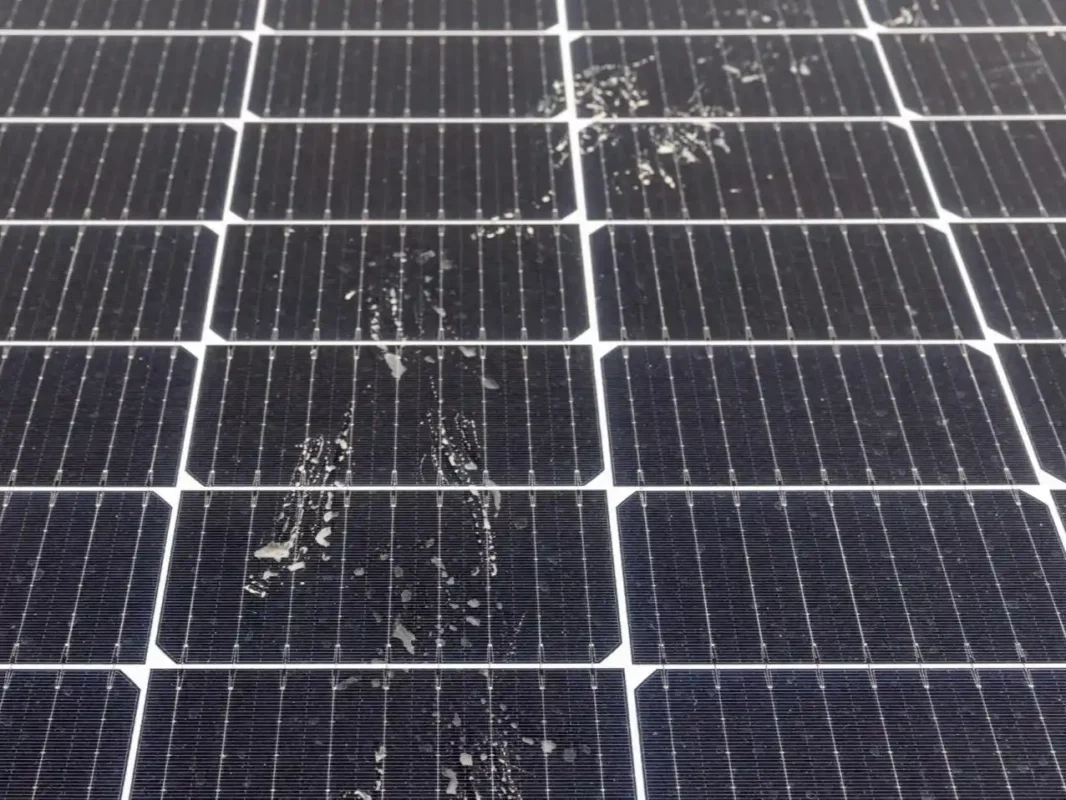
Several environmental conditions influence how quickly solar panels become dirty. Installations located near roads, construction areas or industrial zones often accumulate more airborne particles.
Dust carried by wind gradually settles on the panel surface. Pollen can also cover panels during certain seasons. In areas with frequent bird activity, droppings may create concentrated spots that block sunlight. Locations with little rainfall tend to retain dirt for longer periods.
These factors vary depending on the environment where the photovoltaic system operates.
Signs that solar panels need cleaning
In many cases, the condition of the panels can indicate when cleaning is necessary. Visible dirt or bird droppings on the surface are clear indicators.
Another sign appears when electricity production decreases compared with previous operating periods under similar weather conditions. Long dry seasons without rainfall can also allow dust to accumulate across the panels.
Regular inspections help detect these situations early.
Recommended cleaning frequency
The cleaning frequency of solar panels depends on the installation environment and the type of system.
Residential solar installations often require cleaning once or twice per year. Commercial or industrial installations may require maintenance two to four times annually, particularly in environments with higher dust levels.
Maintenance programs carried out by technicians allow installations to remain under regular supervision while keeping energy production stable.
Risks of cleaning solar panels without professional supervision
Cleaning solar panels without the proper knowledge or equipment can create risks for both the installation and the person performing the task. Photovoltaic systems contain delicate components that require careful handling during maintenance.
Professional supervision helps ensure that cleaning is performed safely and without affecting the performance of the system.
Risk of damaging the glass surface
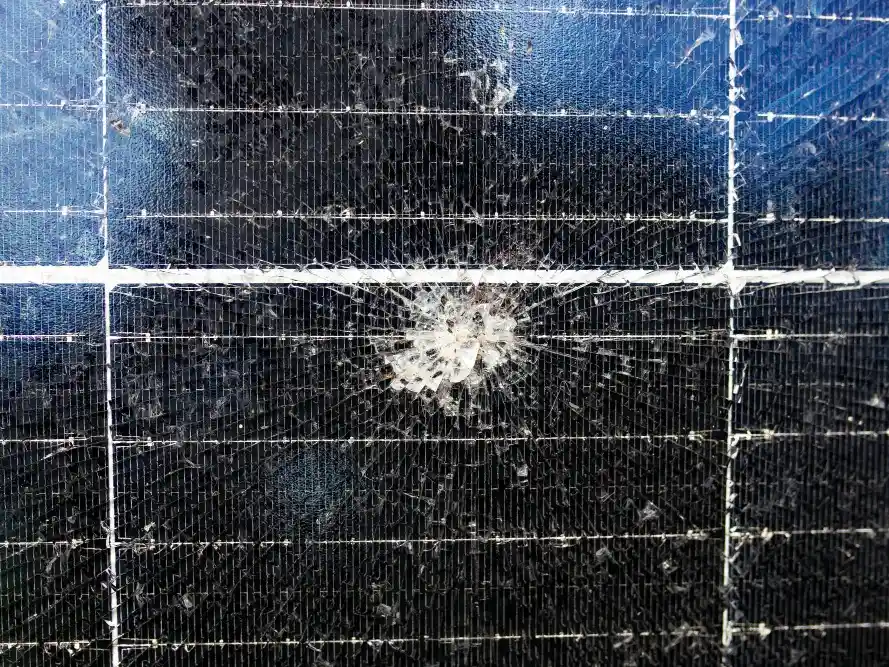
Solar panels are protected by a layer of tempered glass. Although this glass is durable, improper cleaning tools can scratch the surface.
Abrasive brushes, rough cloths or unsuitable materials may damage the glass and reduce its transparency. Even small scratches can affect how sunlight reaches the photovoltaic cells.
Risk of damaging electrical components
Solar installations contain electrical connections, seals and mounting structures that must remain protected. Excessive water pressure or incorrect cleaning techniques can damage these elements.
Water entering connectors or damaging protective seals may lead to operational problems in the photovoltaic system.
Safety risks when accessing rooftop installations
Many solar panels are installed on rooftops or elevated structures. Accessing these locations without proper safety equipment increases the risk of accidents.
Professional technicians use appropriate safety systems when working at height and are trained to move safely around rooftop installations.
For these reasons, many property owners rely on maintenance professionals who are familiar with photovoltaic systems and the correct procedures for solar panel cleaning.
The importance of cleaning solar panels
It is essential to maintain efficient electricity generation. Dust, dirt, bird droppings, and other debris can accumulate on the panel surface, blocking sunlight and significantly reducing energy production. Through regular, professional cleaning, you can ensure your panels operate at their peak capacity, making the most of every ray of sunlight.
Case study: Pinturas Rubio solar installation
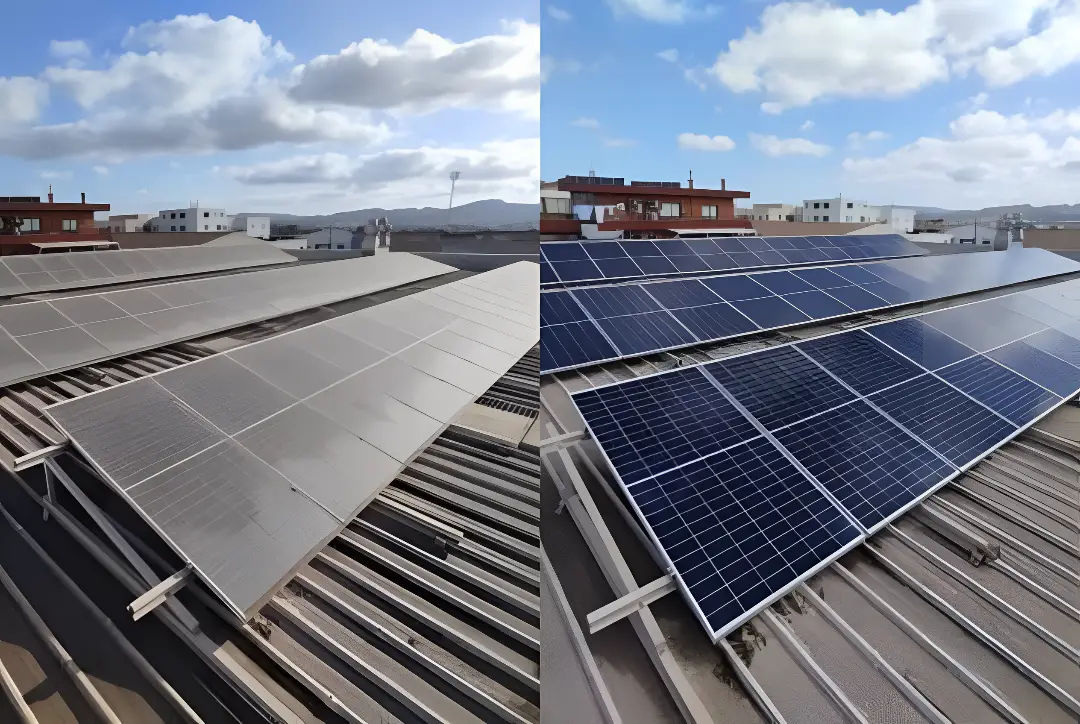
Real installations offer a clear view of how solar panel cleaning affects energy production. The photovoltaic system installed at Pinturas Rubio provides a practical example of how dirt accumulation can influence performance and how proper maintenance restores efficiency.
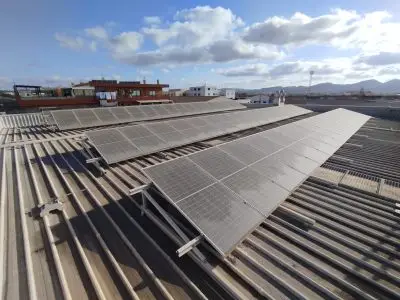
Before cleaning solar panels in Ibiza
During the initial inspection of Pinturas Rubio’s photovoltaic installation in Ibiza, a visible accumulation of dust and debris appeared across several panels. This layer reduced the amount of sunlight reaching the photovoltaic cells.
Production data from the installation showed a decrease in electricity generation compared with expected output levels. As a result, the facility experienced lower energy savings and relied more on conventional energy sources during that period.
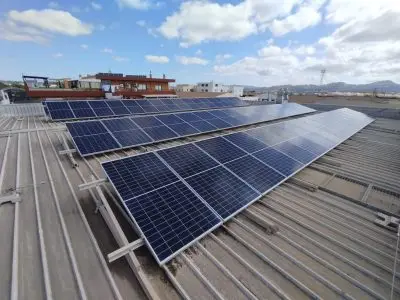
After the solar panel cleaning process
After the intervention carried out by the MASRED Engineering team, the accumulated dirt was removed from the surface of the panels. The cleaning process restored the transparency of the glass and allowed the photovoltaic cells to receive sunlight without obstruction.
Following the maintenance work, the system recovered its energy production levels and returned to its expected operating performance.
Pinturas Rubio’s ongoing maintenance relationship
Pinturas Rubio has worked with MASRED Engineering since the beginning of its solar project. The collaboration includes the installation of the photovoltaic system as well as periodic maintenance and cleaning services.
Regular supervision of the installation helps maintain consistent electricity production while allowing technicians to monitor the condition of the panels and the overall system. This maintenance approach helps ensure that the solar installation continues operating under optimal conditions over time.