Installing a photovoltaic system is one of the most effective ways to reduce electricity costs, increase energy independence, and contribute to a more sustainable future.
However, choosing the right solar panel can be tricky, because there are plenty of factors that may influence the final result.
With a wide variety of manufacturers, different technologies, and certifications, homeowners considering changing to solar energy may be confused and overwhelmed.
Questions like How to choose the best photovoltaic panel for my home? How can I compare? What technical features really matter? are common, and not easy to answer.
At MASRED Engineering, we have a broad experience in helping homeowners understand the basic decisions to make the best choices for their particular situation. The best option is always making an informed decision, so below are the key factors you need to consider to install solar panels at home.
Certifications and regulatory compliance
The first and most important consideration when choosing a solar panel is verifying it meets all quality and safety standards. Electricity can be a hazard, so regulations exist to ensure compliance and provide warranties.
Certifications ensure that solar panel modules have been rigorously tested and comply with international performance and safety requirements. Panels sold in Europe should be certified by reputable independent testing organizations such as TÜV, and there are different certificates:
- UNE-EN 61215 Photovoltaic (PV) modules for terrestrial use – Design qualification and approval.
- UNE-EN IEC 61730 Safety qualification of photovoltaic (PV) modules – Part 1: Construction requirements.
- UNE-EN IEC 61730-2 Safety qualification of photovoltaic (PV) modules – Part 2: Test requirements.
Photovoltaic installations located within 5 km of the sea require additional certification for saline environments and high humidity (IEC 61701:2011 Salt mist corrosion testing of photovoltaic (PV) modules).
These certifications are proof that the panel has passed demanding laboratory tests designed to simulate years of exposure to real operating conditions, including temperature changes, humidity, mechanical stress, and electrical safety.
In addition to specific photovoltaic certification, manufacturing quality systems are equally important. Panels produced in facilities certified under ISO 9001 quality management standards offer additional assurance that each unit is manufactured consistently, not just the original test sample. This certification verifies that production processes are monitored, controlled, and continuously improved.
Environmental and geographic conditions
Solar panels are exposed for decades, withstanding outdoor conditions throughout all seasons and under any circumstances.
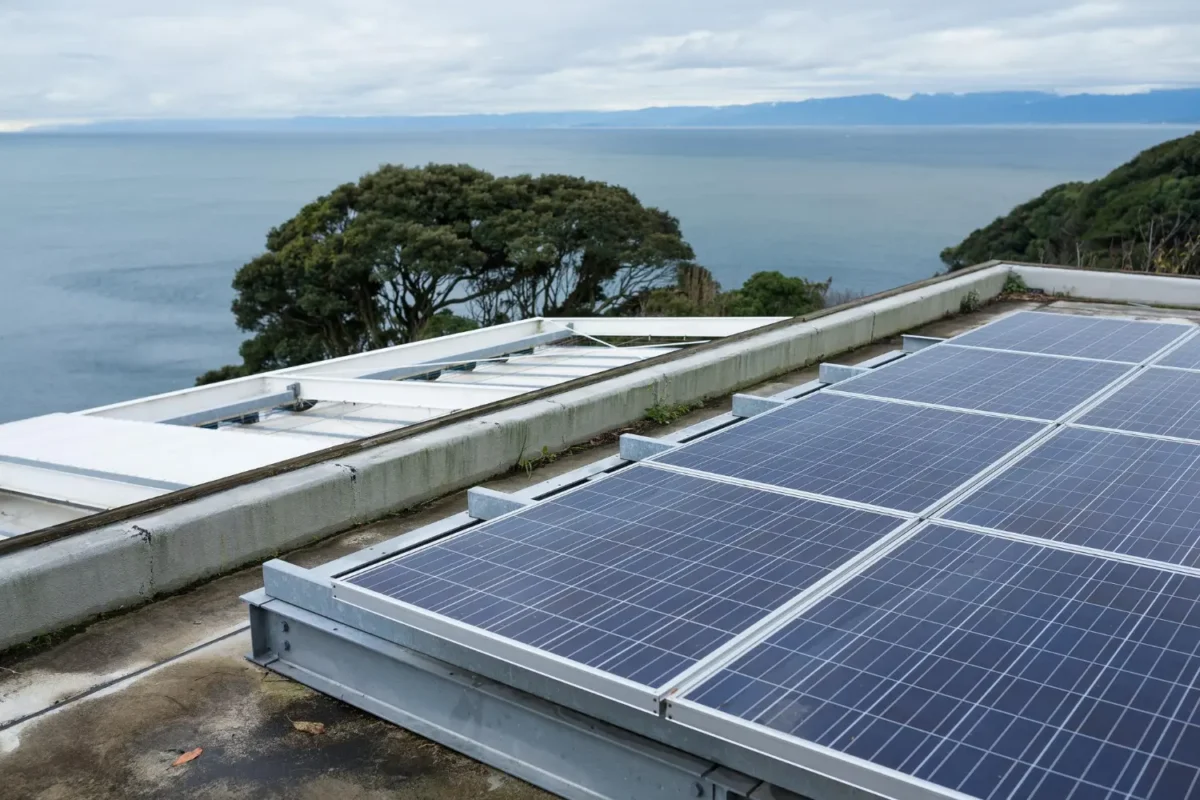
This means their location determines the best features and requires special attention. For example, coastal homes are exposed to salt mist, high humidity, and corrosive air. Over time, these conditions can damage metallic components, degrade protective coatings, and reduce electrical performance if panels are not specifically designed for these conditions.
Other important factors to notice might be large temperature swings, strong winds, heavy snowing or dust.
Acknowledging this, the best solar panel is not universal, but depends on local climate conditions, to start.
Location and space
The amount of space on the roof, and its type and orientation also determine which type of solar panel is best for a domestic installation.
Depending on the orientation and inclination, the amount of sunlight that the panels receive might vary, so it is important to take into account the available space in order to choose a photovoltaic installation that makes the most of it.
Types of solar panels
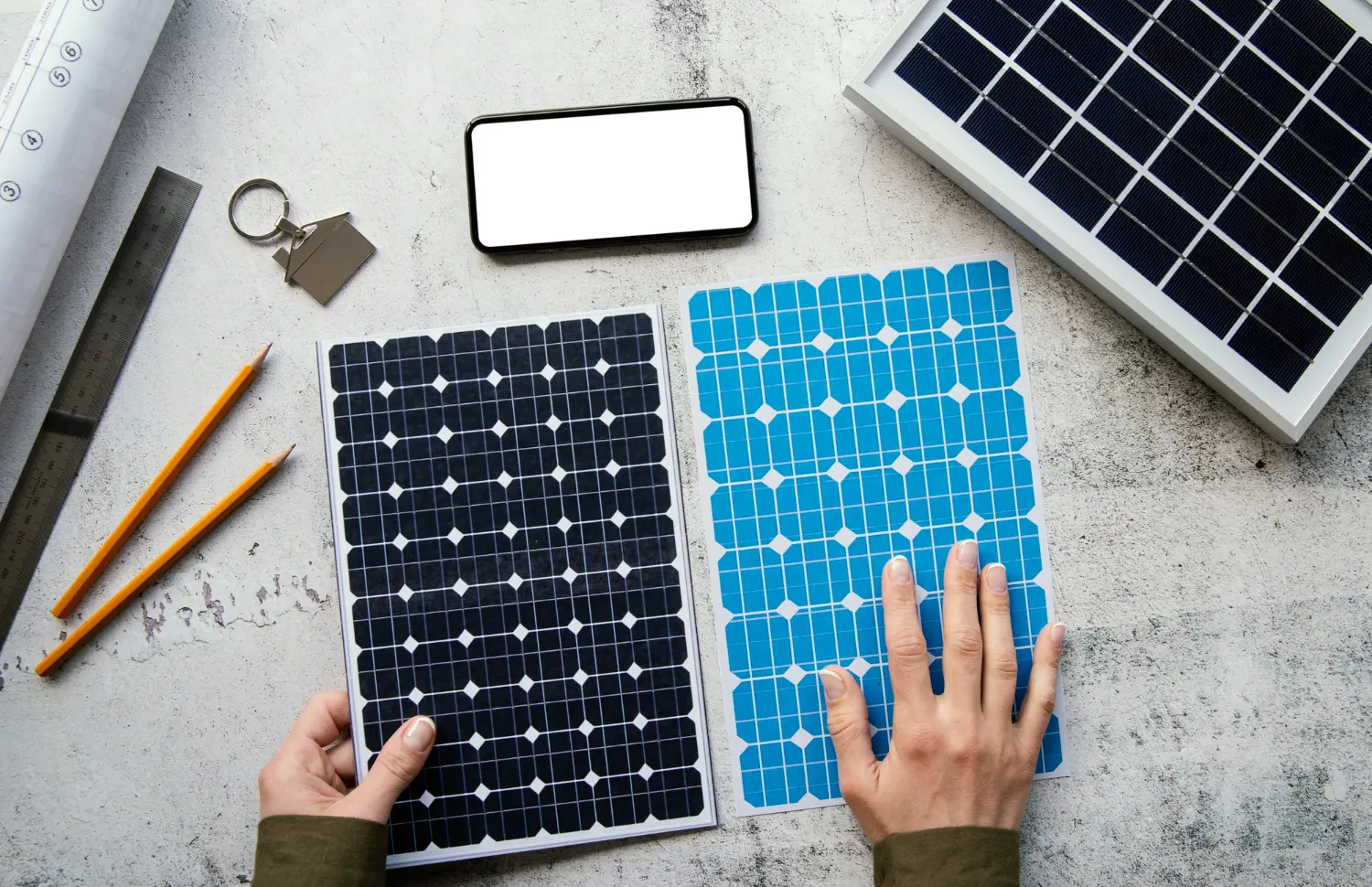
Solar panels come in three main types, each suited to different needs.
Monocrystalline panels offer the highest efficiency, excellent performance in low light, and strong long-term energy output, making them ideal where space is limited.
Polycrystalline panels are more affordable and provide reliable performance, making them a cost-effective option for larger installations where budget matters more than getting maximum efficiency.
Thin-film panels are lightweight, flexible, and perform well in high temperatures, which makes them suitable for unconventional surfaces or large industrial projects.
Understanding these differences helps homeowners and businesses choose the most practical and efficient solar solution for their specific conditions.
The best solar panel brands in the market
Understanding which are the top solar panel brands and manufacturers at the moment makes it easier to make the right choice.
Firstly, choosing a solid brand is important, because solar panels are long-term investments expected to operate for 25 years or more, so ensuring repairability, warranty support and long-term reliability will make a difference.
Brands such as JA Solar, Risen Energy, Abora Sectores and SolarWatt are popular choices for homes and businesses in the Mediterranean area, due to its climate, location and sun exposure, but also because of the local support, which is essential to ensure maintenance and repairs.
Balance budget and needs
Budget is always important when making an investment, but in the long-run, the cheapest equipment might not be the greatest investment.
Photovoltaic modules are the core component of a solar energy system, so they have the greatest influence on long-term performance and energy production.
Lower-priced panels may compromise on material quality, efficiency, durability, or manufacturing consistency. While initial savings may seem attractive, reduced efficiency or early degradation can significantly impact long-term returns.
A reliable panel should offer strong performance warranties, low annual degradation rates, a robust construction, proven long-term field performance and compatibility with local environmental conditions.
Solar panel expert installers
Selecting photovoltaic panels involves technical evaluation, environmental analysis, and financial planning. Having the support of professional installers can be essential for obtaining all the necessary information, both regarding the type of solar panels and the installation itself. Furthermore, this advice can be very useful for finding out about the necessary permits and possible subsidies.
If you are considering installing solar panels, contact us and we will guide you through every step of the project.